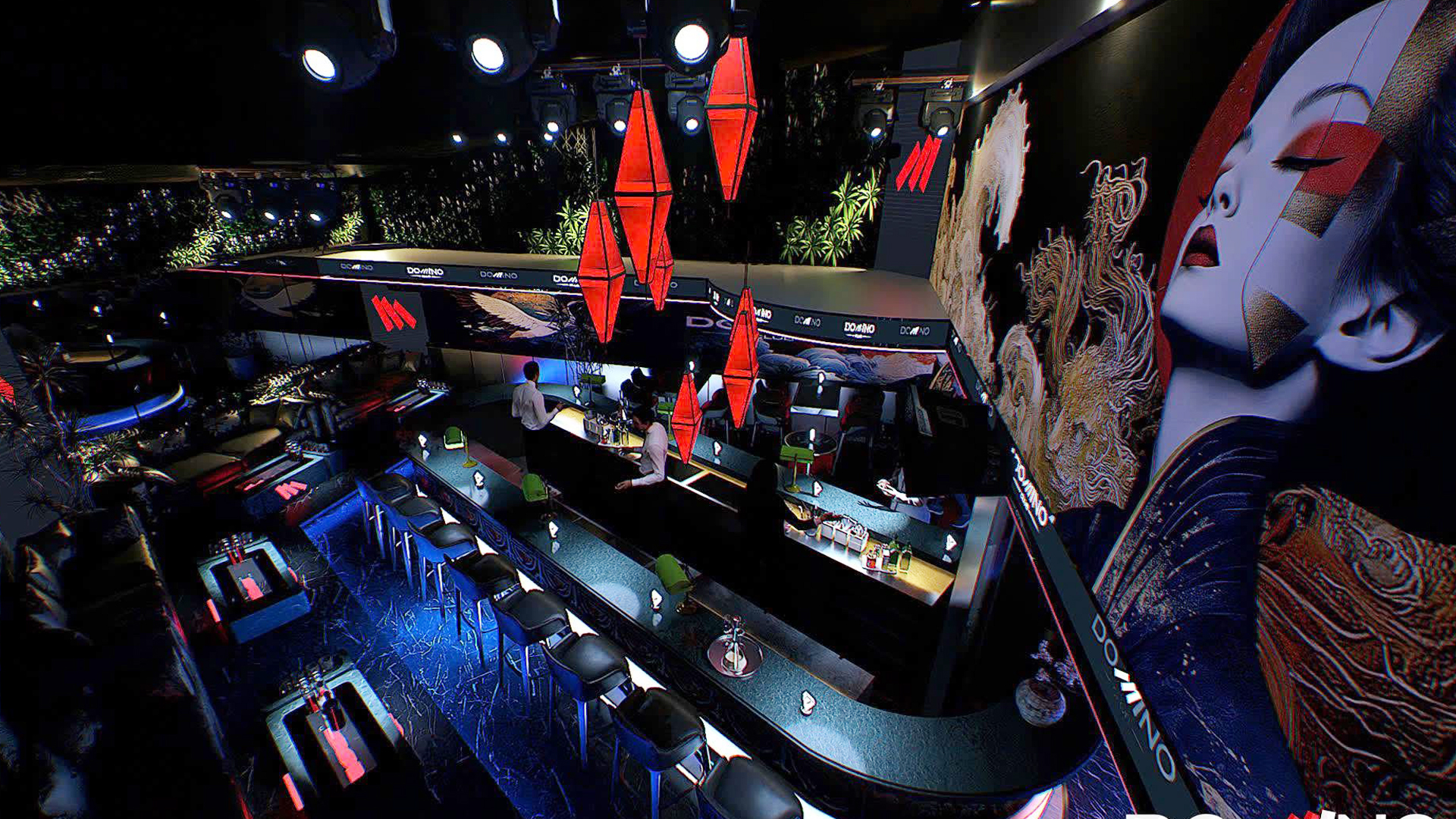


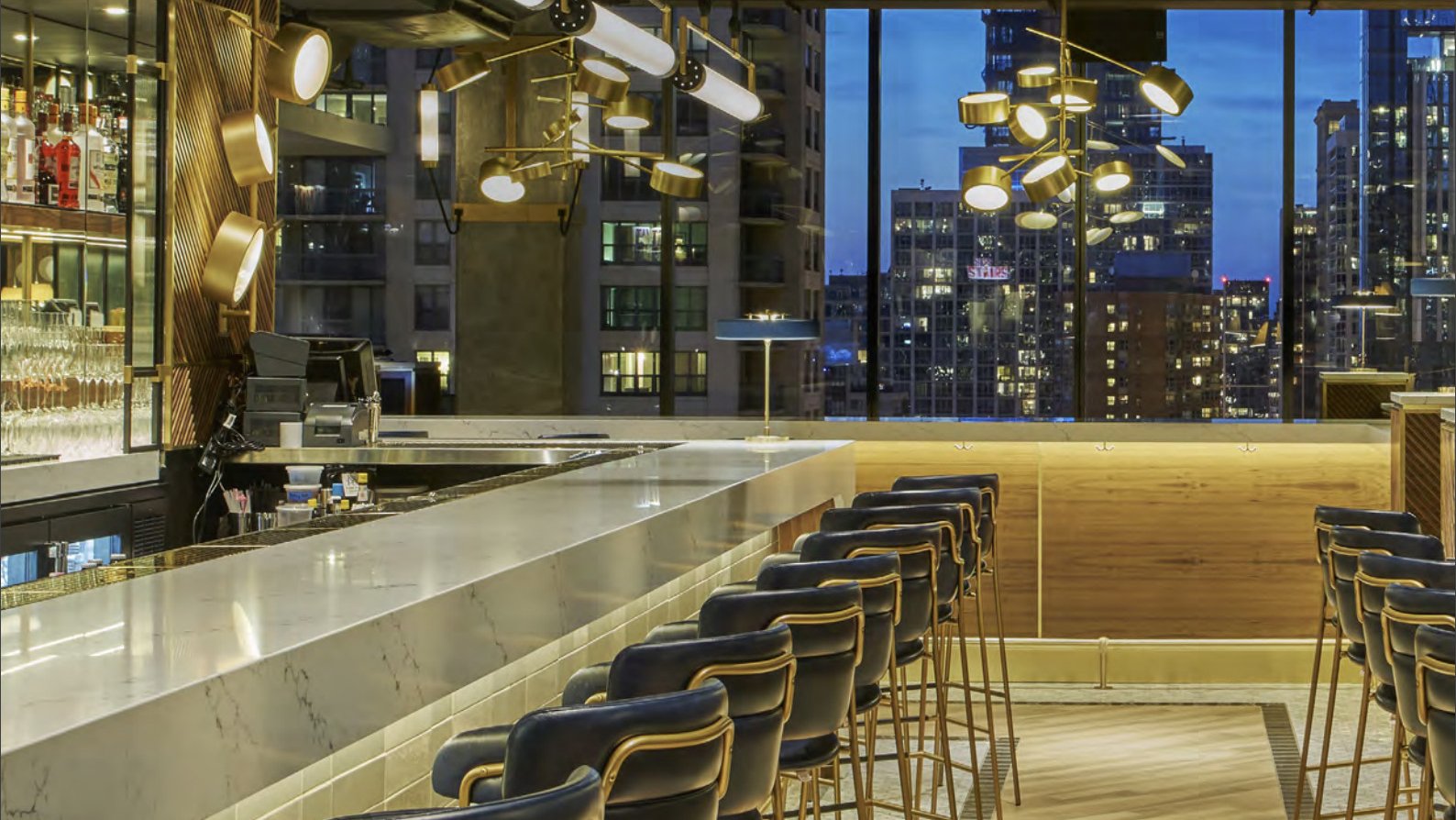

Sound and interior design need to be coordinated. Through site surveys and installations, B-Star has repeatedly seen how the relationship between audio and lighting teams, interior designers, and venue owners affects the outcome.
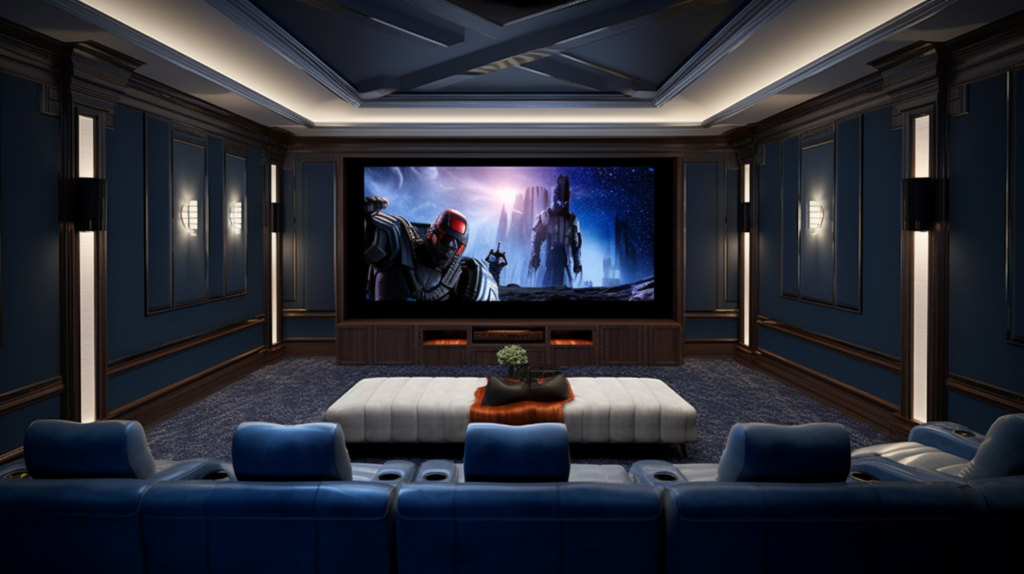
Why Early Collaboration Matters
When the owner, audio engineer, and interior designer do not plan together, a project can cost hundreds of millions or even billions of Vietnamese dong without achieving the intended audio result. Impressive architecture and capable equipment alone do not ensure that the room will sound good.
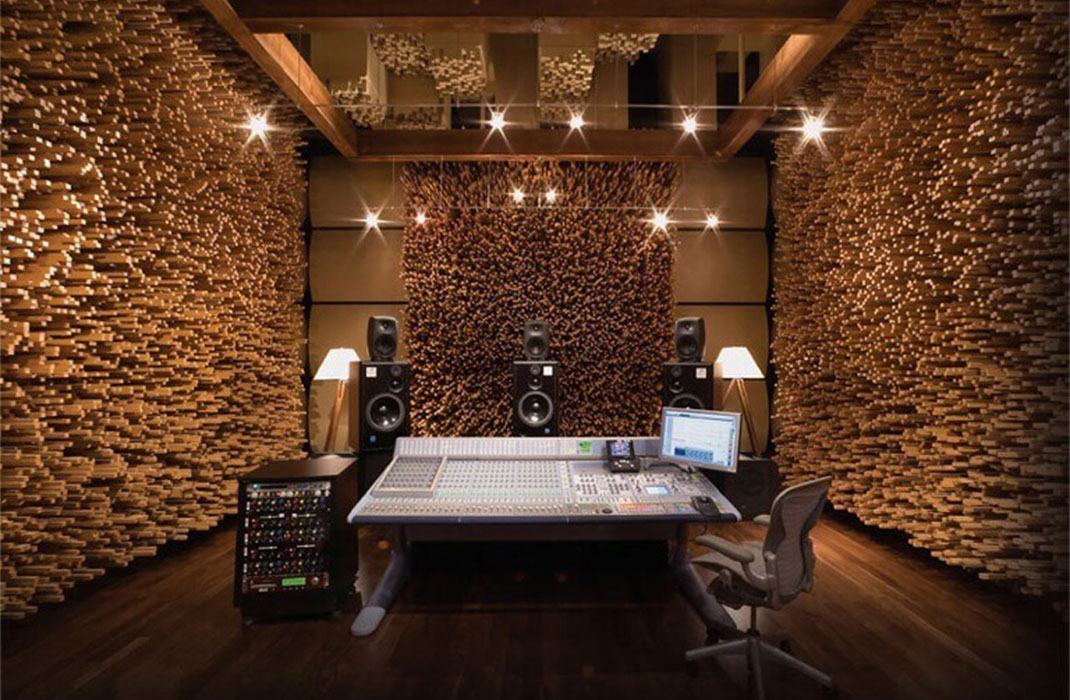
The audio system may receive the blame, but the result also depends on interior design: absorption, diffusion, reflective surfaces, and how loudspeaker positions relate to the room’s structure.

A Simple Example: Conversation in a Meeting Room
Imagine an office meeting with eight to ten colleagues, wooden furniture, and a strongly reverberant room. Following one person’s voice can be difficult even without an amplified sound system.
The issue comes from how speech interacts with the room’s surfaces and contents, rather than the voice alone.

Design for the Eyes and the Ears
Audio equipment, interior materials, and construction details should be considered together to create a space that is both visually satisfying and comfortable to hear.
Acoustic needs belong in the design and construction stages, alongside the interior concept. Early coordination can improve the result and help control the cost of later changes.

Nine Questions for Coordinating Sound and Interior Design
- Who will use the space, and for what purpose?
- What interaction, privacy, and environmental conditions are needed?
- What are the acoustic conditions inside and outside?
- How will material surfaces, furniture, and fittings affect sound?
- Which design choices can improve the acoustic result?
- What isolation or absorption treatments suit the application?
- How can the environment support comfort and satisfaction?
- What budget limits or external constraints apply?
- How should the loudspeaker type and positions support the interior concept?
A Coordinated Result
Collaboration throughout the project helps the finished environment work for both the eyes and the ears. Sound and interior design achieve their best results when they are considered together.