


What Is Room Acoustics?
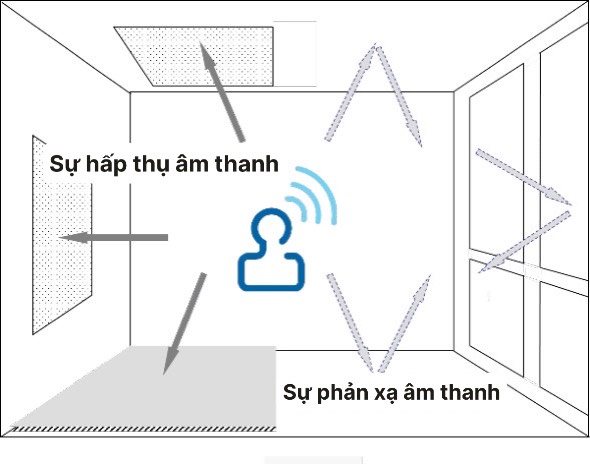
Acoustic diagram by Peter de Lange
Acoustics is the study of sound, including how it behaves in a room. When a sound wave reaches a surface, some energy may be absorbed, reflected, scattered, or transmitted, depending on the material and construction.
Reverberation is the continuing sound produced by many reflections after the original sound. Some reverberation can contribute to a natural impression, while excessive or poorly controlled reverberation can reduce clarity.
Sound in an occupied venue is complex because it depends on both space and time.
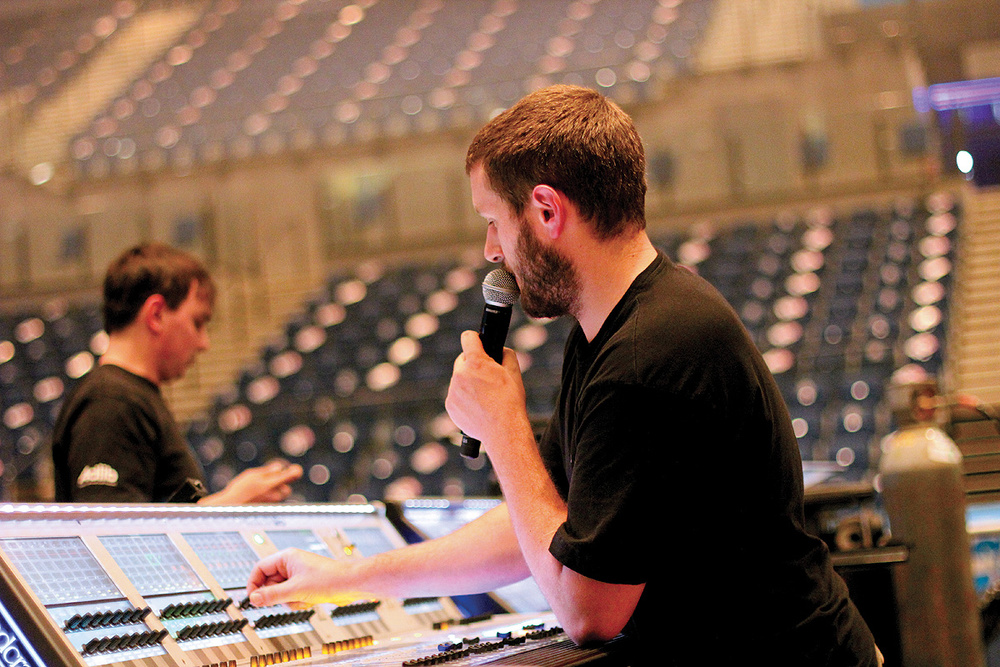
An engineer may complete a soundcheck in an empty room and find that the balance changes when the audience enters. The room, people, and loudspeaker system all contribute.
Room acoustics is a broad subject. Here, the aim is to explain why an experienced engineer may need substantial adjustment in one space and much less in another.
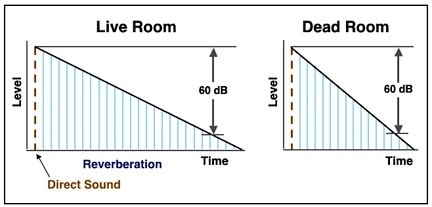
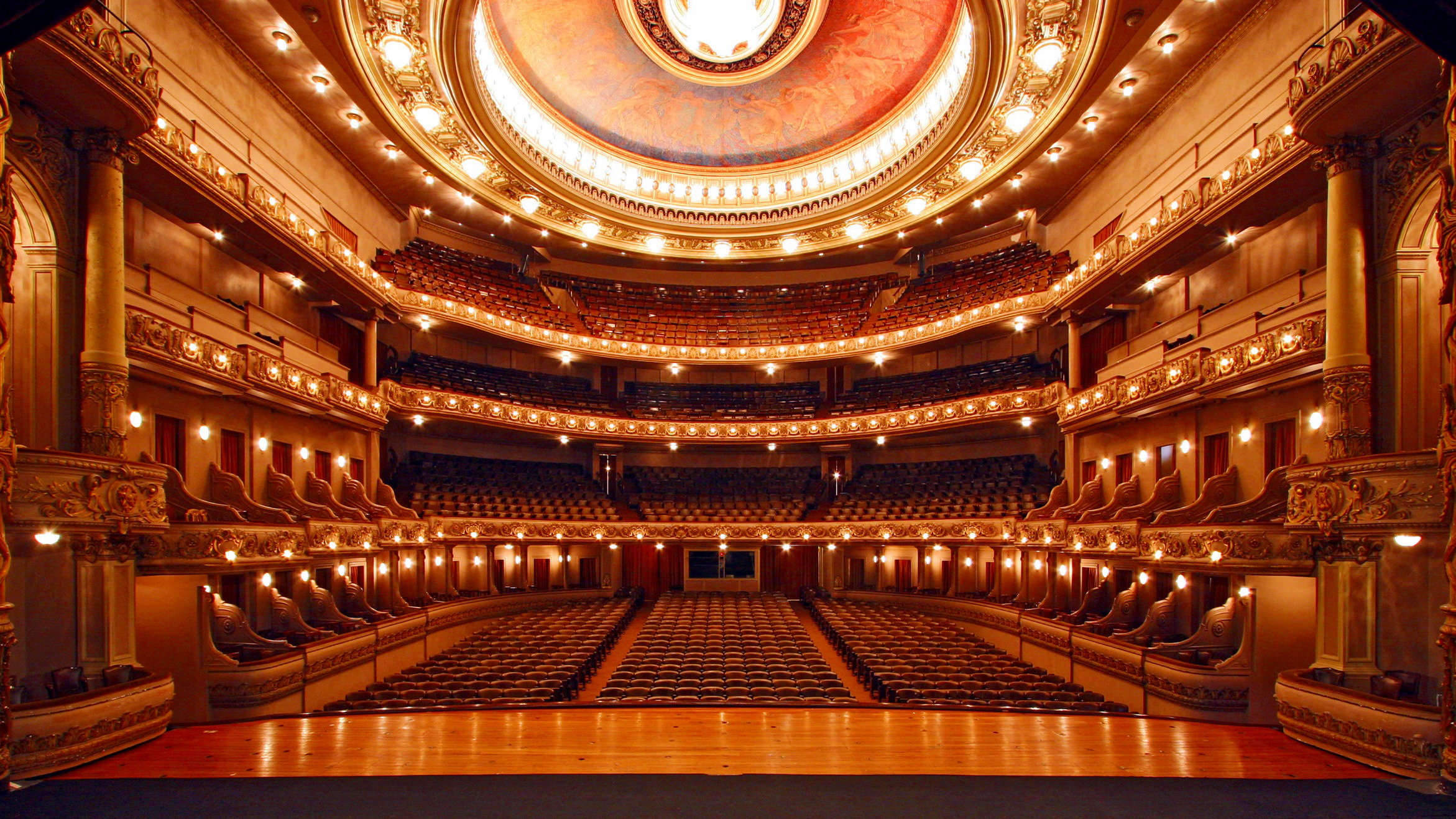
A large, empty room with concrete, brick, wood, or glass surfaces may reflect a great deal of sound. Engineers often describe a reverberant room as live. Excessive reflections can make speech harder to follow and listening more tiring.
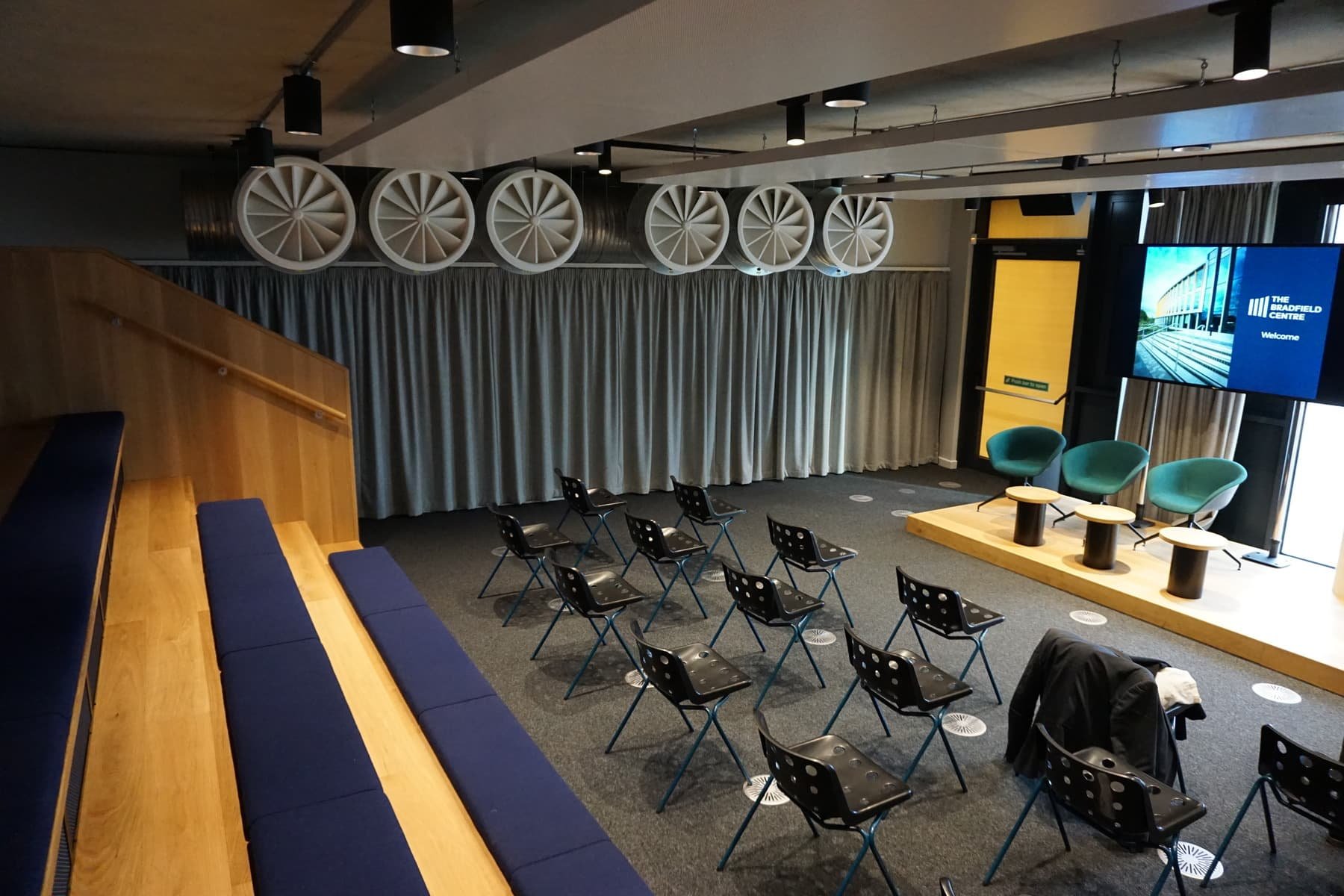
A heavily absorbent room, where reflections decay quickly, may be described as dead. It can feel unfamiliar or less natural for some activities.
The appropriate balance depends on the room’s purpose, rather than one condition being ideal for every application.

Different rooms respond differently at low frequencies, so subwoofer positioning needs to be assessed for the site.
With subwoofers placed to the left and right, their outputs can combine differently across the audience. Some positions may have strong reinforcement and others cancellation. Room modes can create additional peaks and dips.
These are related but distinct effects. Moving or reconfiguring the subwoofers can change the distribution. Engineers use prediction, listening, and measurement to select an arrangement that better serves the occupied areas.

A material’s absorption and reflection depend on frequency and on how it is constructed and installed. A gypsum partition, for example, should not be assigned one universal absorption characteristic without considering its complete construction.
Hard, smooth surfaces often reflect substantial mid- and high-frequency energy. Curtains and carpets can absorb some sound, mainly in the mid and high ranges, depending on their thickness and installation.
Diffraction describes sound bending around an obstacle. Waves that are long relative to an object can travel around it more readily. Shorter wavelengths tend to be more strongly affected by the object’s size and shape.
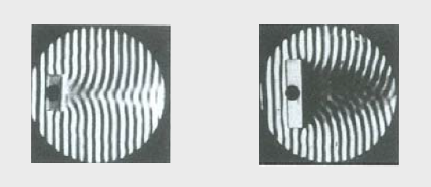
Sound tends to bend around an object that is small relative to its wavelength.