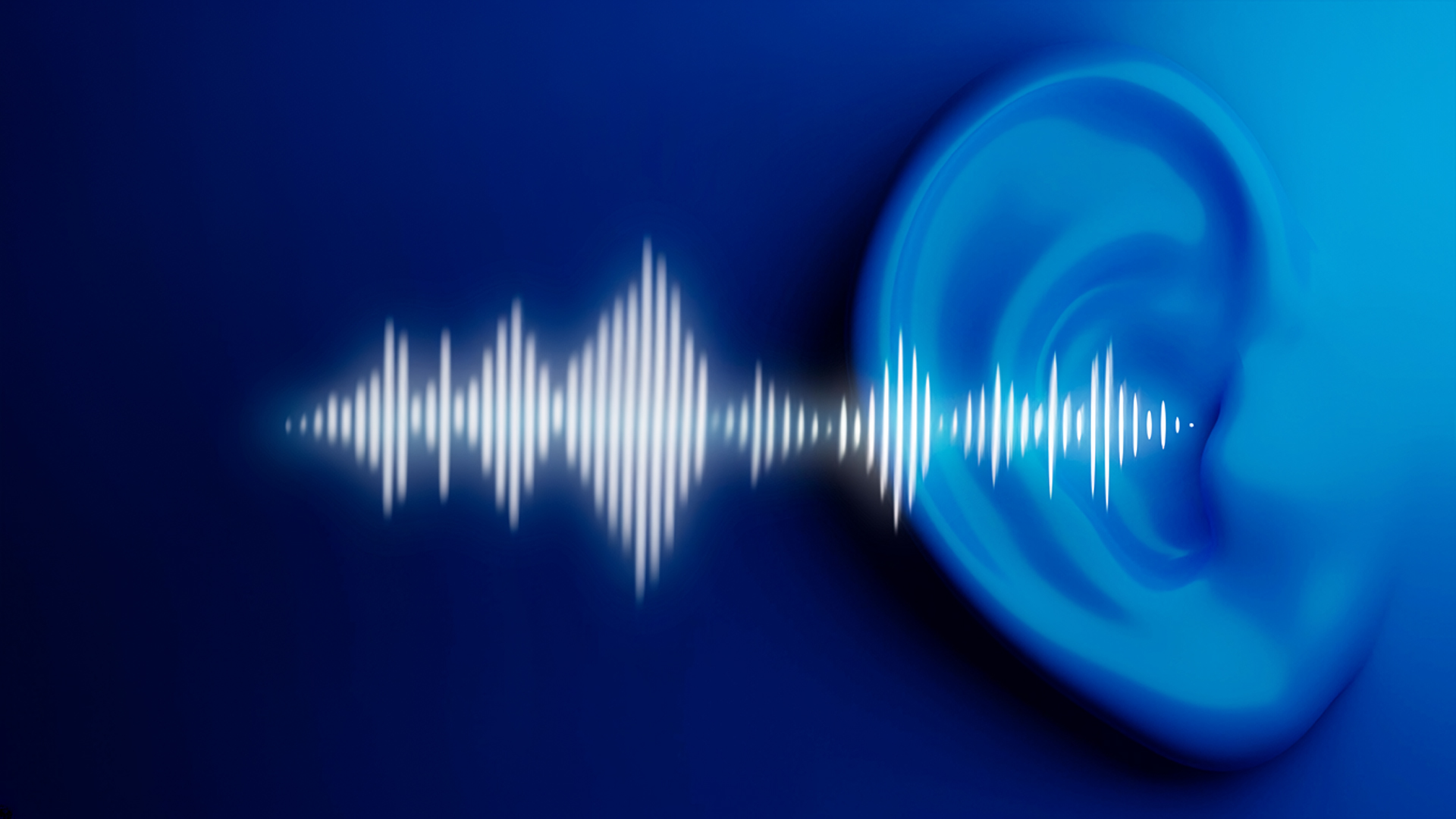


Đôi tai trong việc cảm nhận âm thanh

Hearing and Sound Perception: How Our Ears Work

Blog
Đôi tai trong việc cảm nhận âm thanh

The Ear and Sound Perception

Hearing and sound perception continue even when our eyes are closed. The auditory system constantly receives information from the environment, while the brain interprets it.

listen-to-music-keeping-close-the-eyes
brain wave

Music can influence mood, attention, and emotional responses. Claims that a particular composer or musical pattern reliably improves intelligence or memory need stronger, more specific evidence than a general association with brain activity.

Many listeners nevertheless recognize a strong personal response to music. Some find simpler musical textures relaxing and more complex patterns stimulating, although the effect varies with the person, context, and music.
Echolocation: Using Reflected Sound

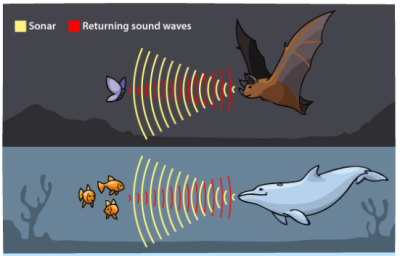
Sound can also provide spatial information. Bats and dolphins use echolocation, and people can learn to interpret echoes from clicks or other sounds.

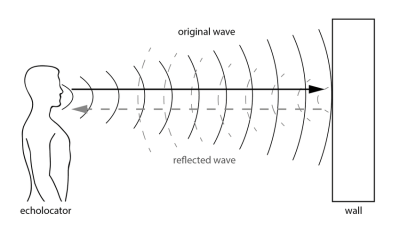
Human echolocation uses returning echoes to judge features of nearby objects and spaces. It should not be described as a technique based primarily on the Doppler effect.

The Doppler effect is a separate phenomenon: relative motion between a sound source and a listener changes the observed frequency. An approaching source generally has a higher perceived pitch, and a receding source a lower one.

song-sieu-am-sonar
dinh-vi-bang-tieng-vang-echolocation

With practice, echolocators can use reflected sound to judge aspects of an object’s position, size, shape, or surface characteristics.

This illustrates how much spatial information hearing can provide, and why preserving it matters. Frequency, timing, and level all contribute to how we understand the acoustic environment.

Do We All Hear the Same Way?

nguong-nghe-cua-tai-nguoi

No. Hearing and sound perception differ between people and can also differ between the two ears.

Age, ear anatomy, previous noise exposure, and hearing damage can influence the result. A history of loud music or drumming, for example, can affect hearing, but it does not establish one universal frequency loss for every musician.

Experience also shapes what we notice. Two listeners may disagree about a cymbal sound because they attend to different details or have different preferences.

Audio engineers develop their listening skills to distinguish sources, recognize tonal changes, and judge the direction of sound.

How the Ear Works

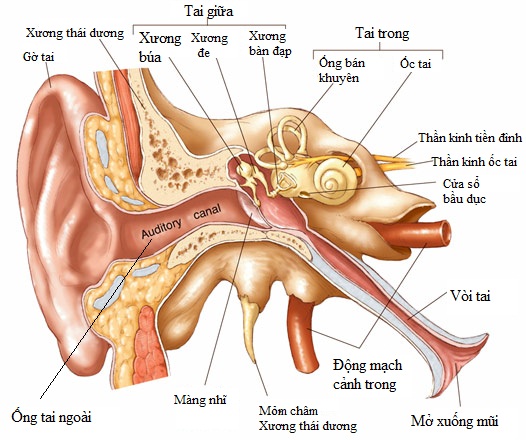
cau-tao-tai

The ear has three main sections: the outer, middle, and inner ear.

The outer ear collects sound and directs it through the ear canal to the eardrum. The eardrum’s vibration is transferred through three tiny middle-ear bones: the malleus, incus, and stapes, also known as the hammer, anvil, and stirrup.

These vibrations reach the fluid-filled cochlea in the inner ear. Movement within the cochlea bends microscopic structures associated with its sensory hair cells, producing electrical signals.

The auditory nerve carries these signals to the brain, where they are interpreted as recognizable sound.

Hearing and Frequency

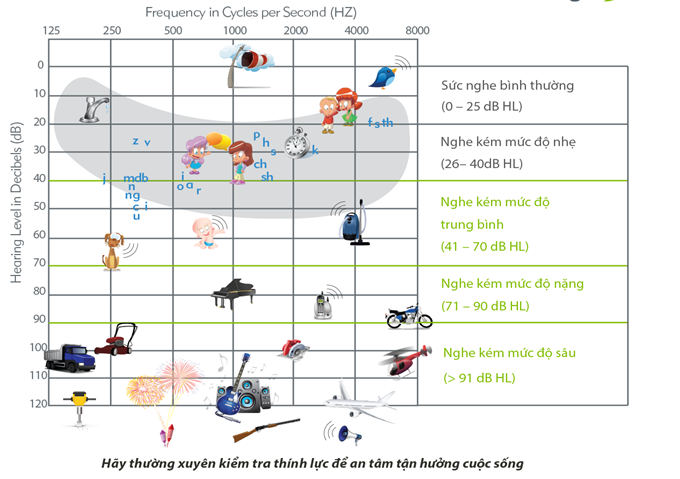
The ear’s frequency sensitivity is not flat. It is particularly sensitive through parts of the midrange, including much of the region important for understanding speech.

The exact response varies between individuals and with sound level. Hearing a voice is also different from understanding every word: access to the relevant frequency detail is important for intelligibility.

muc-do-mat-thinh-luc

Loudness and Hearing Risk

nguong-nghe-cua-tai-nguoi

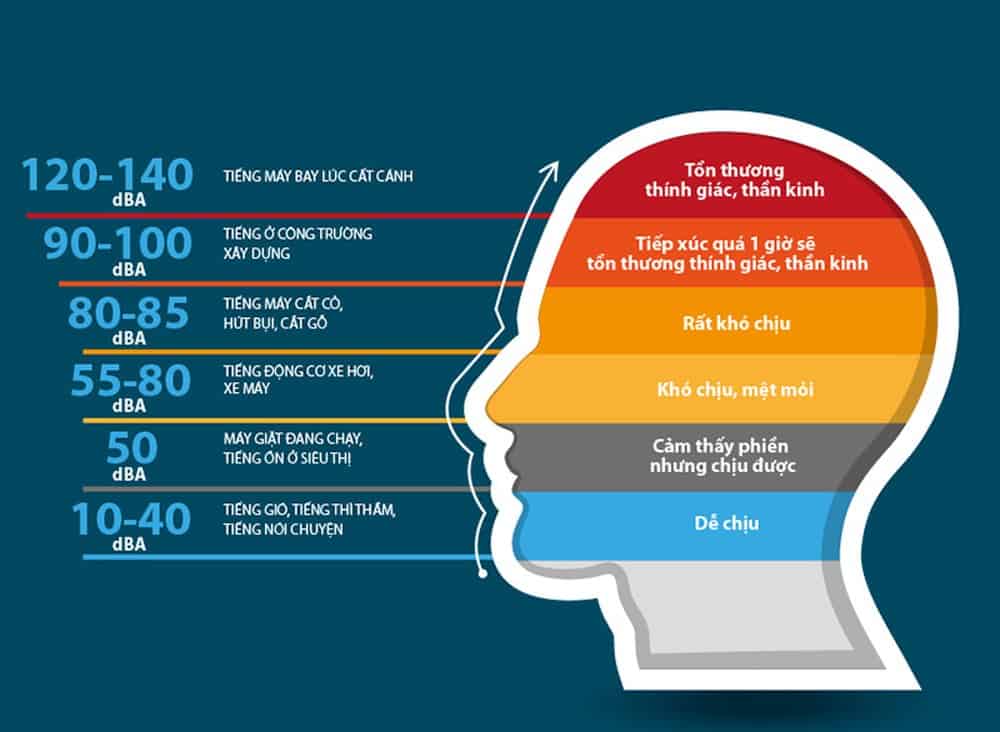
No single sound level can be called safe without considering exposure duration, repetition, and individual susceptibility. A range such as 85–90 dB SPL should not be described as universally safe.

For occupational noise, NIOSH recommends an exposure limit of 85 dBA averaged over an eight-hour workday. For every 3 dBA increase, the recommended exposure duration is halved. This is an occupational recommendation, rather than a guarantee of safe recreational listening.

Concerts and entertainment venues can operate at levels that create a risk of hearing damage. Sound does not need to be painful to be harmful, and pain is not a reliable indicator of safety.

Manage exposure through appropriate levels, breaks in quieter areas, and correctly selected hearing protection. Persistent ringing, muffled hearing, or other changes after loud sound should be assessed by a qualified hearing professional.

Sound Localization

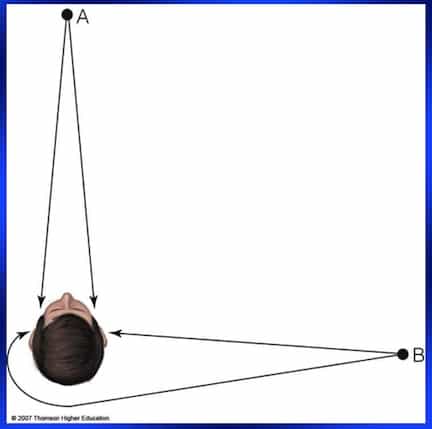
Differences in the sound reaching our two ears help the brain identify its direction. Arrival time, level differences, and the way the head and outer ears shape the spectrum all provide useful cues.

Localization helps us follow activity around us and respond to important sounds in everyday situations.

When a source is centered in front of us, its sound reaches both ears at approximately the same time. A source to one side usually reaches the nearer ear first and with a different level and spectrum.

The outer ears also provide cues that help distinguish elevation and front-to-back position. Localization therefore involves more than the timing difference alone.

Types of Hearing Loss

Hearing loss is an important concern in noisy industries, including live sound. Two broad categories are:

Conductive Hearing Loss

This occurs when sound is not efficiently transmitted through the outer or middle ear. Possible causes include impacted earwax, fluid in the middle ear, and eardrum or middle-ear problems. A hearing professional can identify the cause.

Sensorineural Hearing Loss

This involves damage or dysfunction in the inner ear or auditory nerve pathways. Noise exposure can be one cause, alongside age-related changes, certain illnesses, and some medications or treatments.

Acoustic trauma can cause sensorineural damage, but the terms are not interchangeable. Difficulty understanding speech in background noise can be one consequence of hearing loss.

protect-your-ears

Protecting Hearing for the Long Term

Many everyday and professional activities affect hearing. Protecting it is particularly important for audio engineers, whose work relies on both technical knowledge and careful listening.

Understanding hearing and sound perception should go hand in hand with controlling exposure and seeking professional advice when hearing changes occur.

Further reading: NIDCD — How Do We Hear? and Noise-Induced Hearing Loss.

For our approach to venue sound, read about B-Star’s professional audio work.

Xem chi tiết

Leave a Reply

Your email address will not be published. Required fields are marked *