

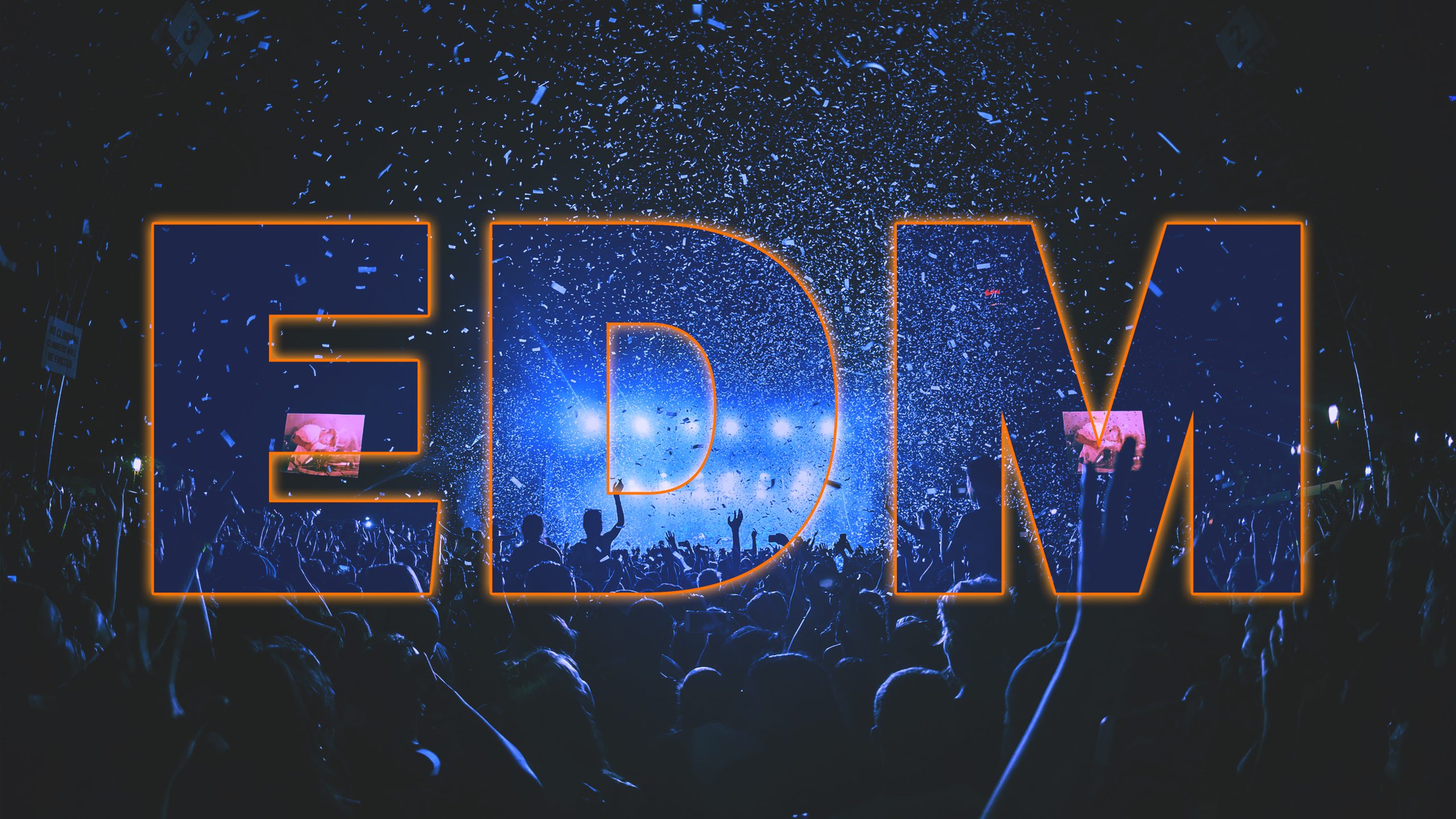

EDM genres cover a wide range of electronic dance music styles, each with its own rhythms, textures, and musical character. Familiar names include house, techno, trance, trap, drum and bass, and dubstep.
The following guide introduces several popular styles. Tempo ranges are approximate conventions, rather than fixed rules for identifying a genre.
House
House music developed in Chicago during the 1980s and became influential around the world.
A steady four-on-the-floor rhythm and tempos often around 120–130 BPM give many house tracks a lively, danceable feel.
The broad house family includes deep house, tech house, funky house, electro house, and future house, among other styles.
Well-known artists associated with house and its wider commercial branches include Calvin Harris, Avicii, and David Guetta.
Techno
Techno developed in Detroit, Michigan, during the 1980s, drawing on electronic music, funk, and other influences.
Many tracks use a strong, repetitive 4/4 rhythm. Tempos vary widely, including the approximate 120–160 BPM range discussed here. Arrangements often develop through repetition, changes in texture, and gradual additions or removals.
Examples include Detroit techno, minimal techno, and melodic techno. Associated artists include Adam Beyer, Carl Cox, and Ellen Allien.
Melodic Techno
Melodic techno combines techno-oriented rhythms with prominent melodies, harmonic development, and atmospheric textures.
The original examples fall around 125–135 BPM, though the style is not defined by one tempo range. Tracks can feel driving and energetic while retaining a deep, reflective character.
The style is released through independent labels and heard at club events, festivals, and on streaming platforms.
Trance
Trance developed in the early 1990s, particularly within European scenes including Germany and the Netherlands, drawing on house, techno, and other electronic influences.
It is often associated with layered melodies, repeated musical phrases, builds and breakdowns, and a strong kick. Tempos commonly fall within a broad 125–150 BPM range.
Styles include progressive trance, vocal trance, psytrance, and hard trance.
Well-known artists include Tiësto, Armin van Buuren, and Paul van Dyk.
Trap
Trap has roots in Southern US hip-hop, particularly Atlanta, Georgia. Its electronic dance-music branch draws on heavy bass, programmed drums, rapid hi-hats, and electronic sound design.
Tempos are often described around 140–170 BPM, or at a corresponding half-time pulse, depending on how the track is counted.
Melodic trap and related bass styles can overlap in DJ sets. Future bass and drill are distinct styles with connections to this wider musical landscape, rather than universal subgenres of trap.
Artists heard across the broader trap and bass-music scene include DJ Snake, Marshmello, Skrillex, and Jauz.
Drum and Bass
Drum and bass, often shortened to D&B or DnB, is known for fast breakbeats and a prominent bass foundation. It has a strong presence in club and rave culture.
Tracks commonly sit around 160–180 BPM. Deep synthesized bass and the relationship between the drums and bass line are central to the style.
Its wider family includes liquid, jungle, neurofunk, jump-up, and techstep.
Well-known DJs and producers include Andy C, DJ Hazard, and Macky Gee.
Listening Across EDM Genres
Understanding the rhythm, bass character, and musical structure of these EDM genres helps listeners and venue teams describe the atmosphere they want to create.
For background on techno’s Detroit roots, see the Detroit Historical Society’s entry on Juan Atkins. Explore B-Star’s venue sound projects for real installation contexts.