




Music can influence mood, attention, and emotional responses. Claims that a particular composer or musical pattern reliably improves intelligence or memory need stronger, more specific evidence than a general association with brain activity.
Many listeners nevertheless recognize a strong personal response to music. Some find simpler musical textures relaxing and more complex patterns stimulating, although the effect varies with the person, context, and music.
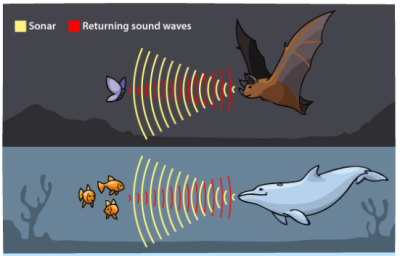
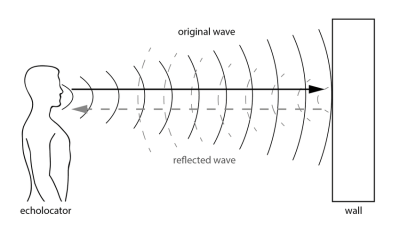
With practice, echolocators can use reflected sound to judge aspects of an object’s position, size, shape, or surface characteristics.
This illustrates how much spatial information hearing can provide, and why preserving it matters. Frequency, timing, and level all contribute to how we understand the acoustic environment.

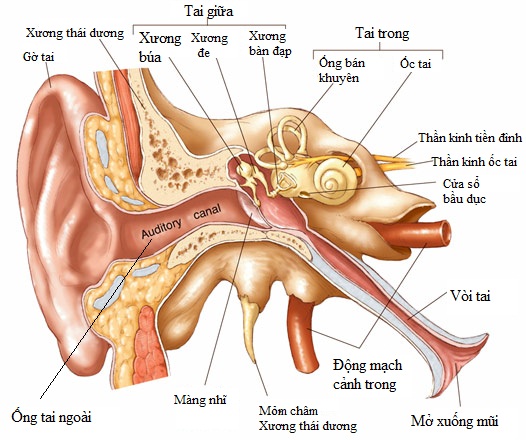
Hearing and Frequency
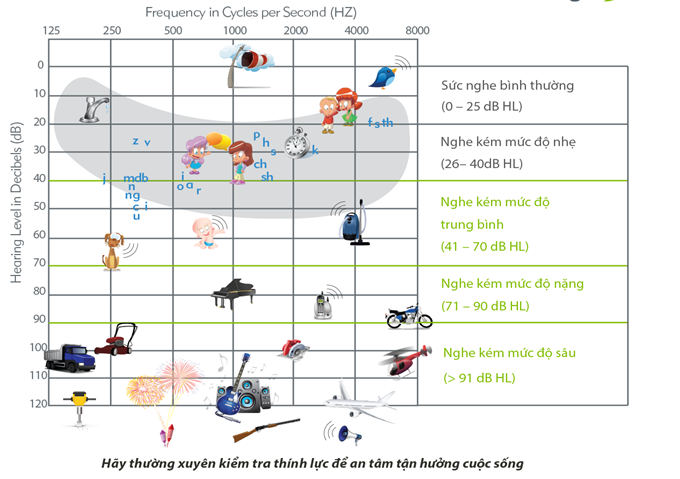
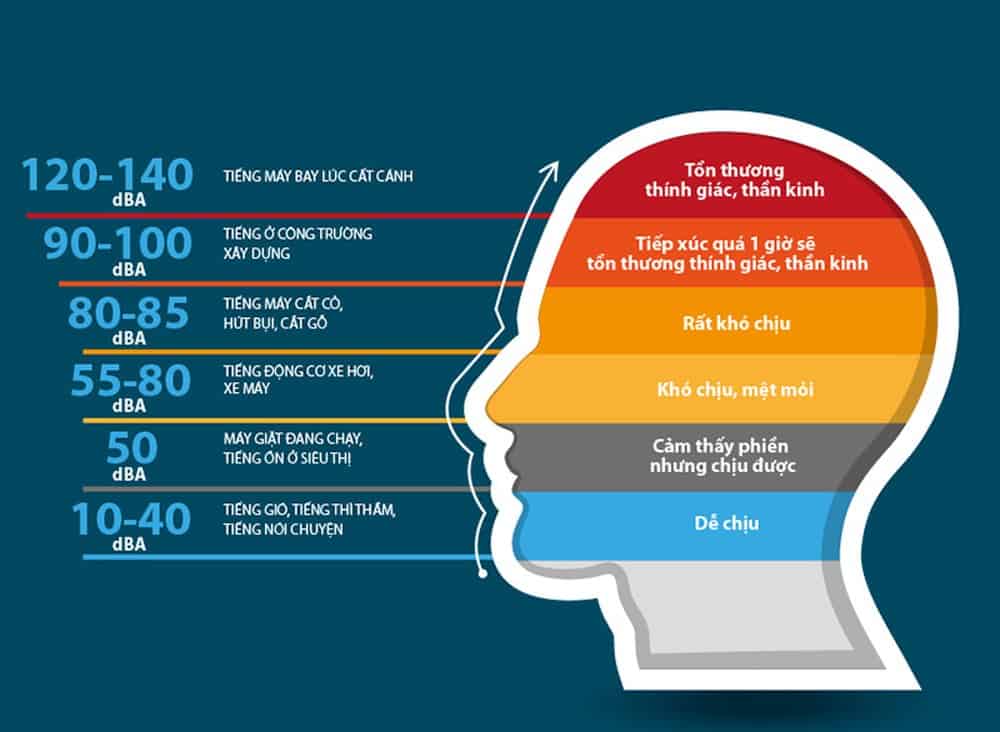
Loudness and Hearing Risk
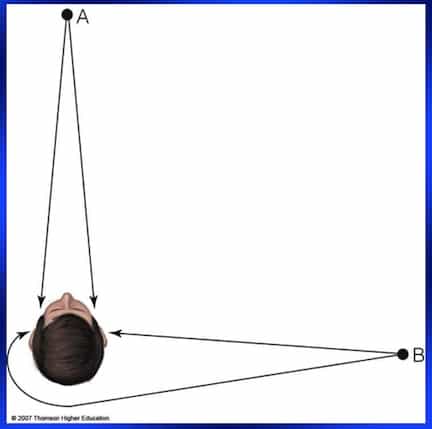
Sound Localization
Types of Hearing Loss

Protecting Hearing for the Long Term
Many everyday and professional activities affect hearing. Protecting it is particularly important for audio engineers, whose work relies on both technical knowledge and careful listening.
Understanding hearing and sound perception should go hand in hand with controlling exposure and seeking professional advice when hearing changes occur.
Further reading: NIDCD — How Do We Hear? and Noise-Induced Hearing Loss.
For our approach to venue sound, read about B-Star’s professional audio work.