


DJ sound quality is one part of a lively night out. Even an energetic set does not always get the crowd dancing. Understanding the response means considering both the DJ and the audience.
Mood Helps Shape the Atmosphere
The mood of everyone in the room affects how they respond to music. A performer or guest who is stressed, anxious, or preoccupied may find it harder to engage with the atmosphere.
New arrivals may also need time to settle in. Social context, including drinking in venues that serve alcohol, can influence behavior. A welcoming environment and responsible consumption are part of keeping the evening comfortable.
Modern Distractions
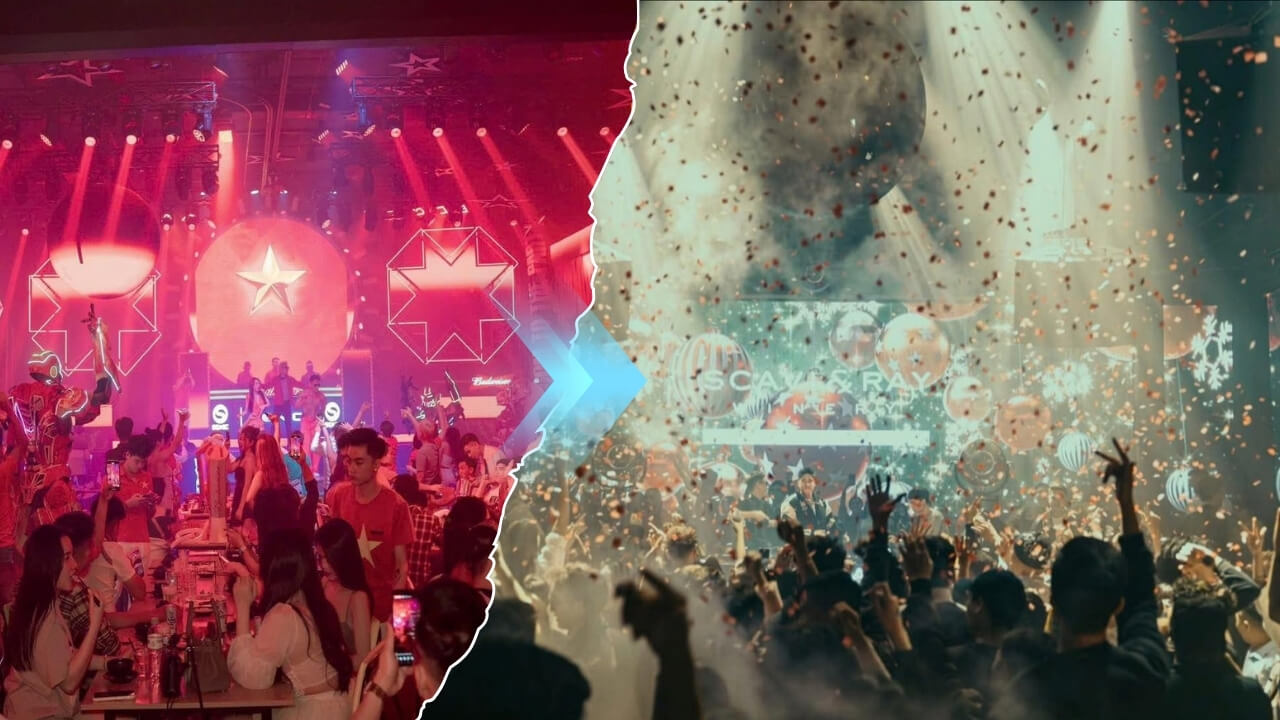
Phones can divide attention between the music and other activities: taking and editing photographs, updating social media, finishing work, or messaging someone important.

Illustration of audience engagement in a nightlife venue
The DJ’s Ability to Read the Room
For a DJ, a quiet response can feel like preparing a meal that nobody notices. Experienced performers adapt their selection and timing to the audience.
Knowing current tracks is useful, but so is recognizing the guests’ preferences and emotional response. A mismatch between the set and the room can leave the performance feeling disconnected.
Guests can also improve their experience by choosing venues that suit their taste. Hip-hop, dubstep, trap, electro house, and techno each support different musical atmospheres.
How DJ Sound Quality Depends on the System
Venue owners should also consider the technical conditions supporting the performance.
High-quality equipment can reproduce powerful bass and musical detail, but its effectiveness depends on configuration, tuning, and coverage. Expensive components alone do not guarantee audience engagement.

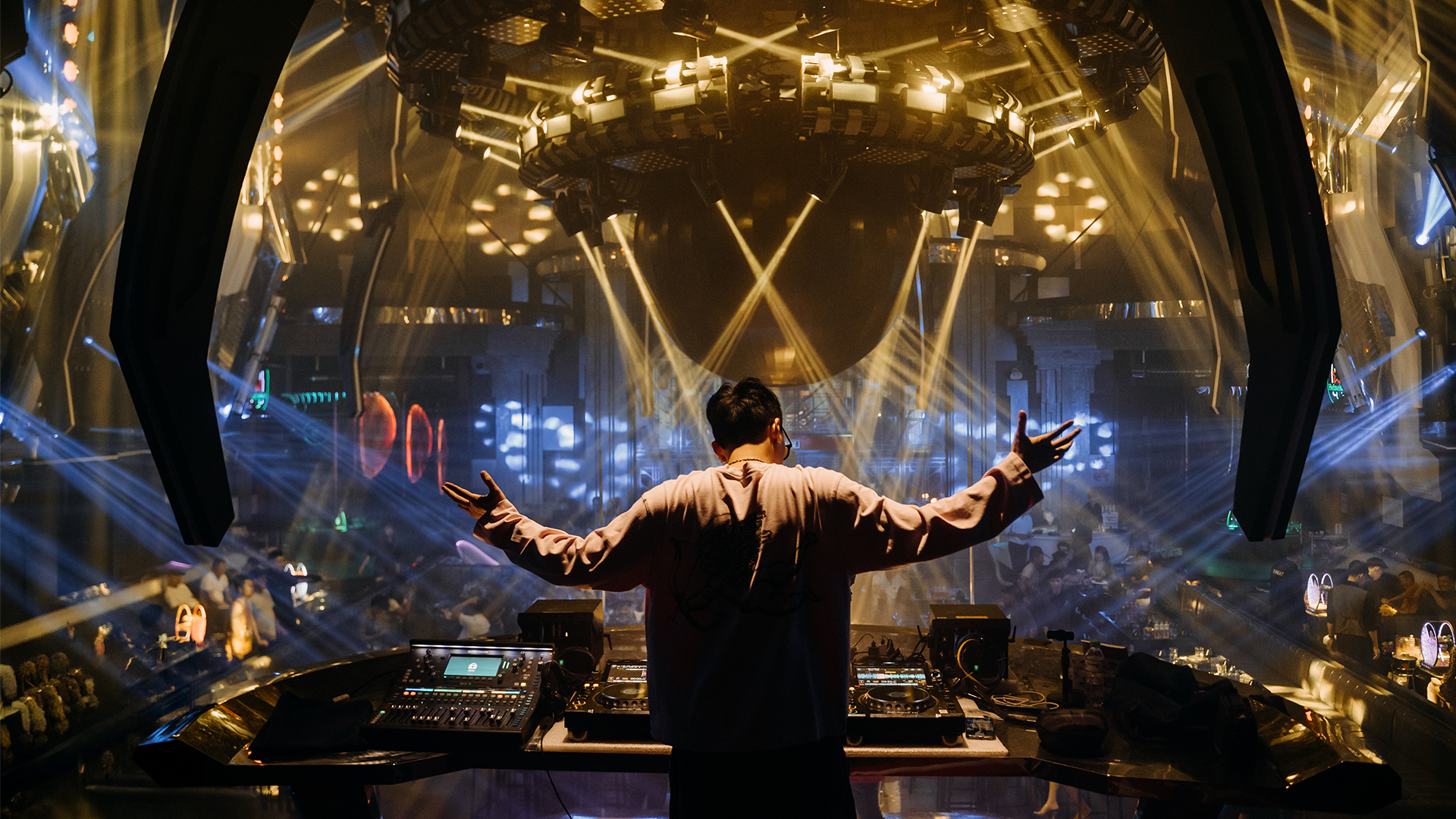
Illustration of sound system coverage and the listening experience
An unsuitable layout may leave parts of the venue outside the intended coverage. The available output may also be mismatched to the room or the desired operating level. Further issues can involve processing, alignment, or other system details.
A reliable audio partner can assess those conditions and develop a solution that supports the venue’s business model.
Understanding the Audience Response
The crowd’s reaction depends on mood, attention, musical taste, the DJ’s choices, and the listening conditions together. Reviewing DJ sound quality alongside those other factors gives owners a more useful starting point than judging the equipment alone.
Have you noticed other reasons a crowd may be less engaged? Share your experience with B-Star.
Explore B-Star’s nightlife sound projects. Research on the social and emotional appeal of loud music is discussed by Welch and Fremaux.