


A beach bar sound system plays an important role in the operation of a beach bar or pool club. Here is what owners should consider when choosing one.

Unlike an enclosed venue, a beach bar has no surrounding walls fully separating its music from the outside environment. Wind and waves can compete with the sound in the open space.

Direct sunlight, salt-laden air, and humidity also make reliable seaside operation more demanding.
Equipment that is unsuitable for these conditions may deteriorate quickly. Distorted sound can then affect the guest experience, reputation, and repeat business.
A successful outdoor system combines appropriately specified equipment with a loudspeaker layout designed for an open space.
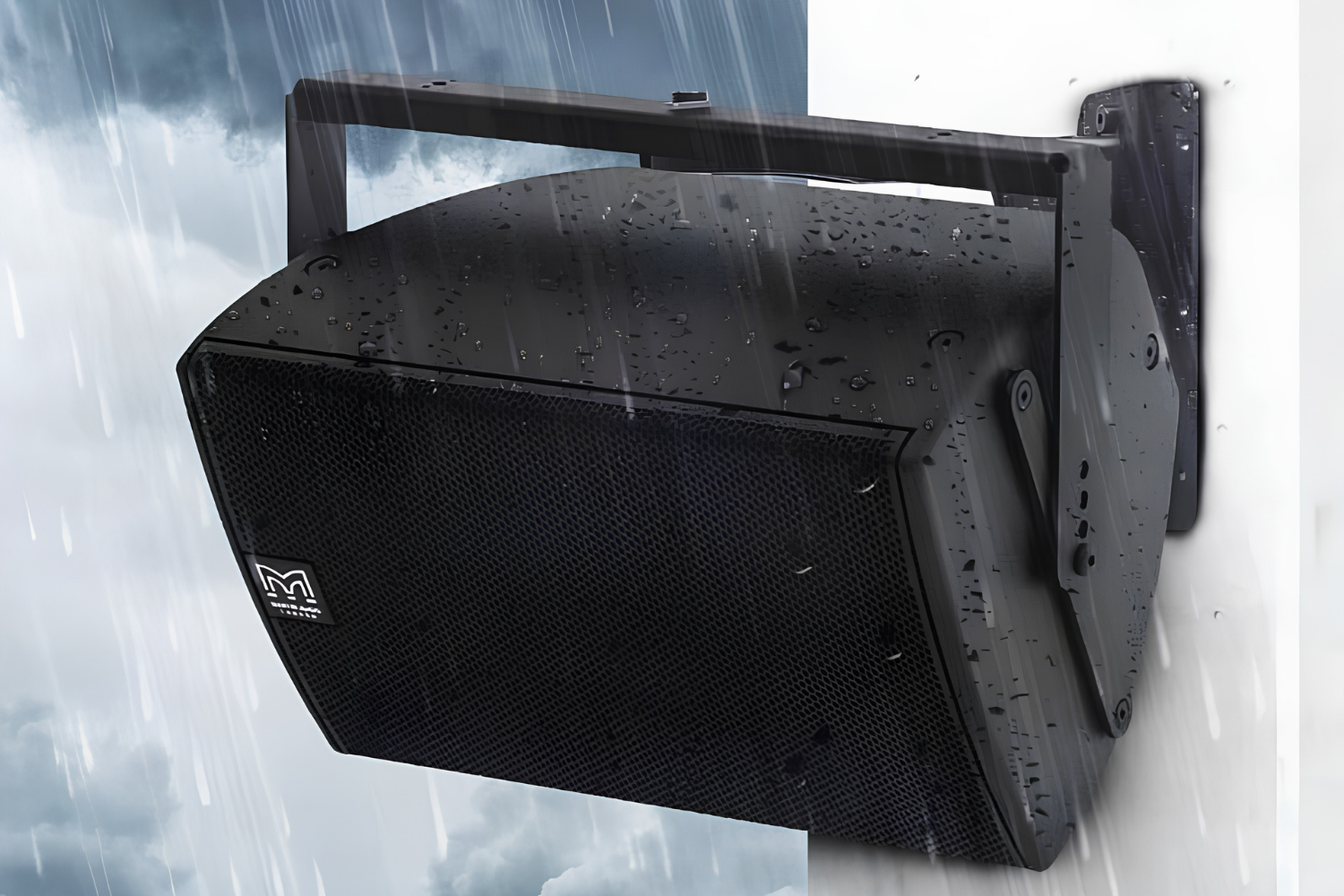
Step 1: Check the Equipment’s Ingress Protection Rating
An IP rating describes an enclosure’s protection against the ingress of solid objects and water. In IPxy, the first digit concerns solids and dust; the second concerns water.
IP54 means dust-protected and protected against splashing water. IP67 means dust-tight and protected against temporary immersion under specified test conditions. IP54 does not mean dust-tight or submersible.
Select the rating and installation method for the actual exposure, following the manufacturer’s instructions. An IP rating alone does not establish resistance to salt corrosion or suitability for every seaside location.
Step 3: Maintain Consistent Coverage Between Areas
Guests move between different open and sheltered areas. Consistent music coverage across those areas is an important part of the experience.

For small and medium-sized venues: appropriately distributed point-source loudspeakers, combined with subwoofers, can provide even coverage. Their number, spacing, and alignment should be designed for the site.
For larger venues: a line-array system may be worth evaluating to provide the required coverage and control unwanted sound spill. The choice should follow the venue’s geometry and operating requirements.
Step 4: Make Daily Operation Straightforward
Many beach bars do not have a dedicated technician on site. This should be considered when choosing the installation partner.

Configure and tune the system properly from the outset, with a clear startup and shutdown routine and accessible day-to-day level controls. Staff can then concentrate on operation and monitoring its condition, including distortion, excessive heat, and salt buildup.
- Consider passive loudspeakers: in harsh coastal conditions, keeping amplifier electronics in a protected indoor rack can simplify environmental protection. Active equipment should be selected only when its manufacturer specifies suitability for the intended exposure.
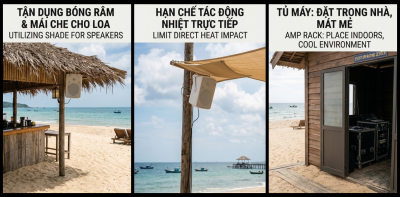
- Choose protected mounting locations: use shade or suitable shelter to reduce direct solar heating. Locate equipment racks indoors or in an appropriately protected environment.
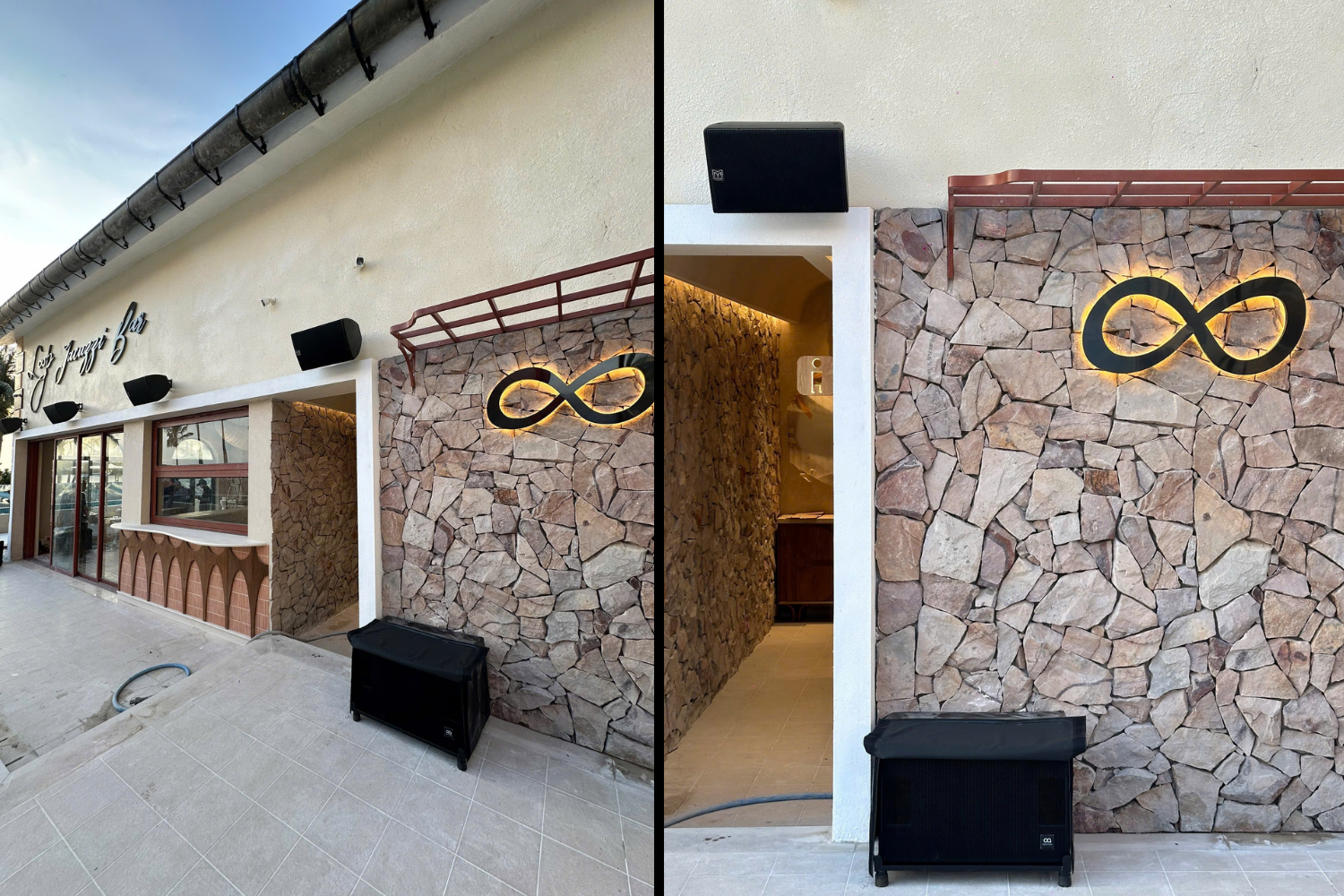
- Use suitable protective covers where appropriate: salt-heavy coastal locations such as Vung Tau and Nha Trang may benefit from additional manufacturer-approved protection. Covers must suit the installation and allow the equipment to operate as intended.
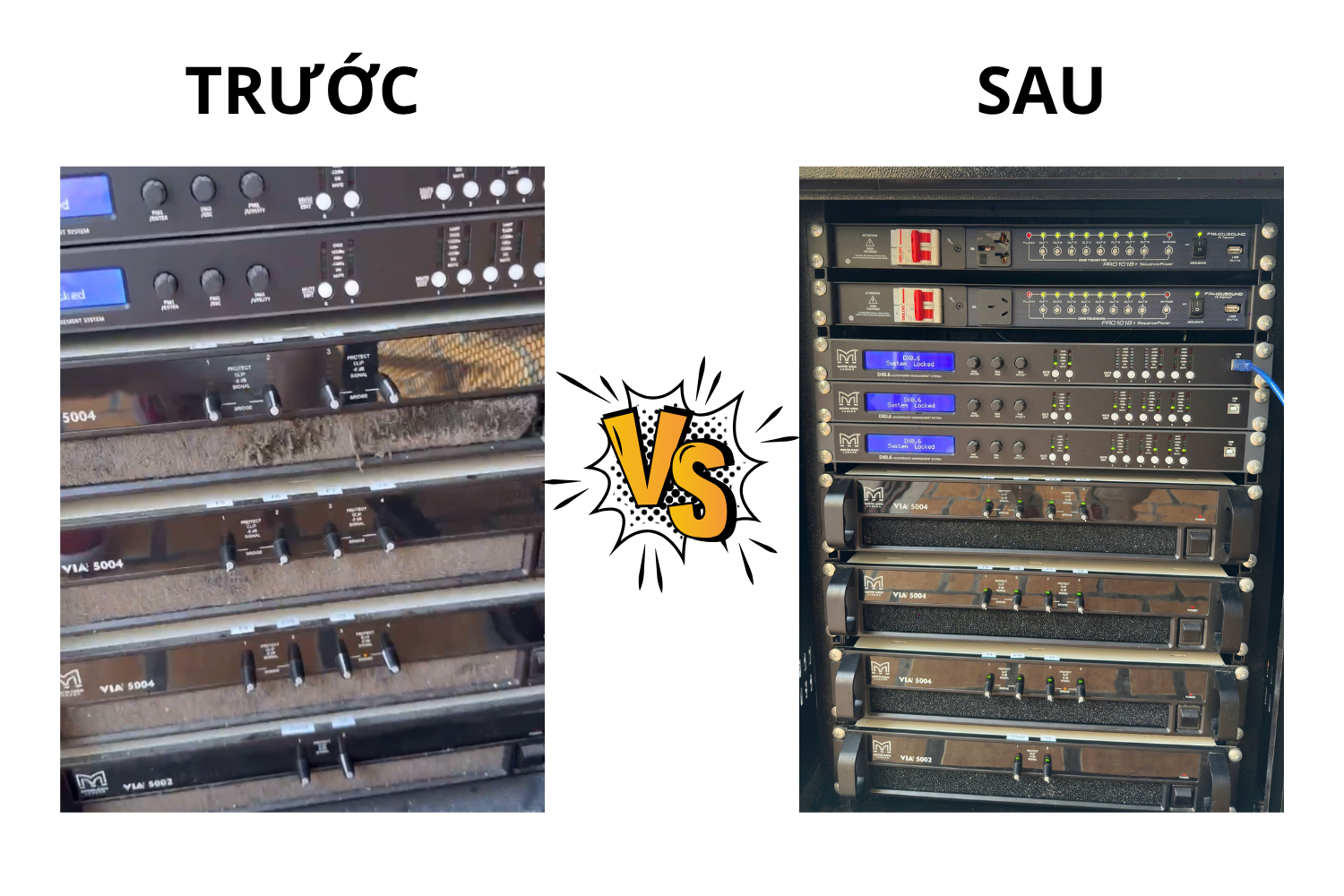
- Schedule regular inspections: salt deposits can build up on loudspeakers and connectors. Follow a cleaning and inspection schedule to support the system’s service life.
Final Thoughts
A well-planned initial investment helps a venue establish its musical identity and deliver a consistent guest experience. It also reduces the need to correct avoidable shortcomings later.