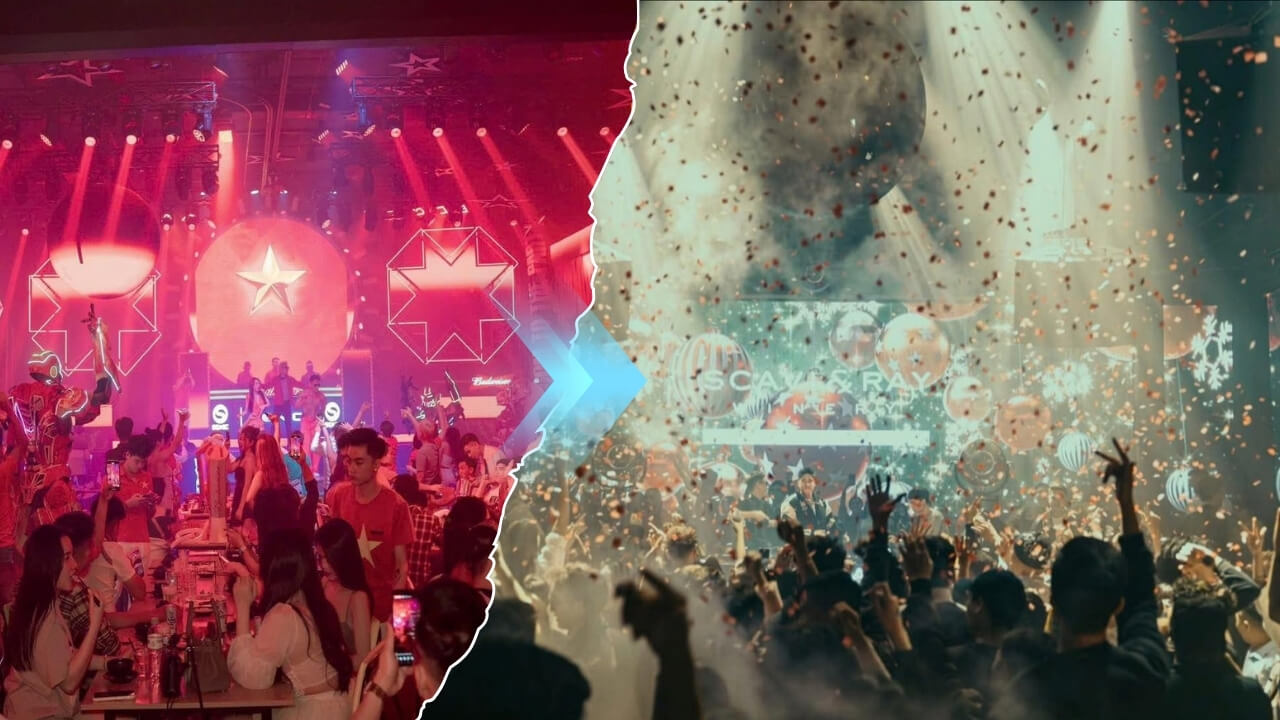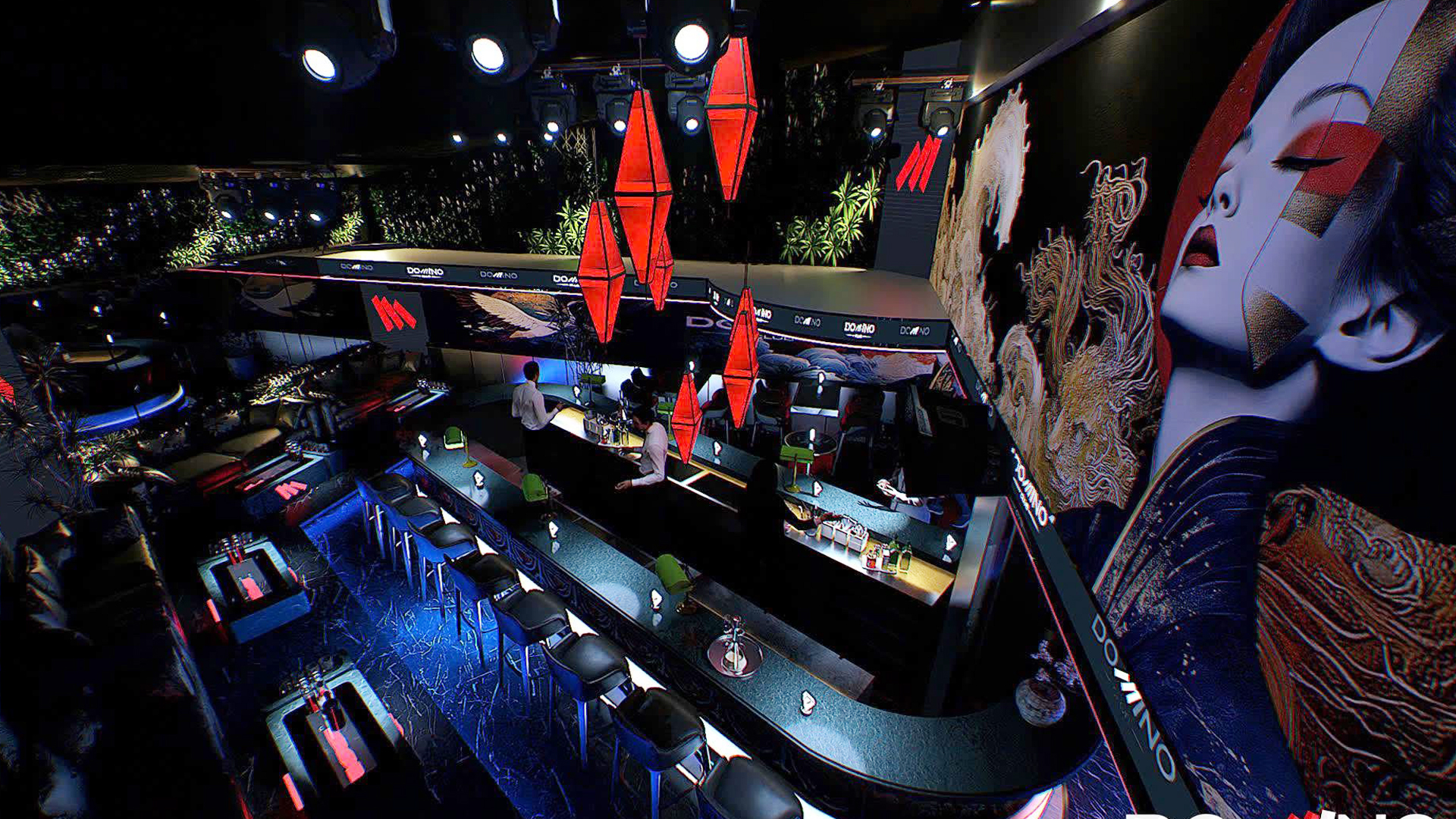


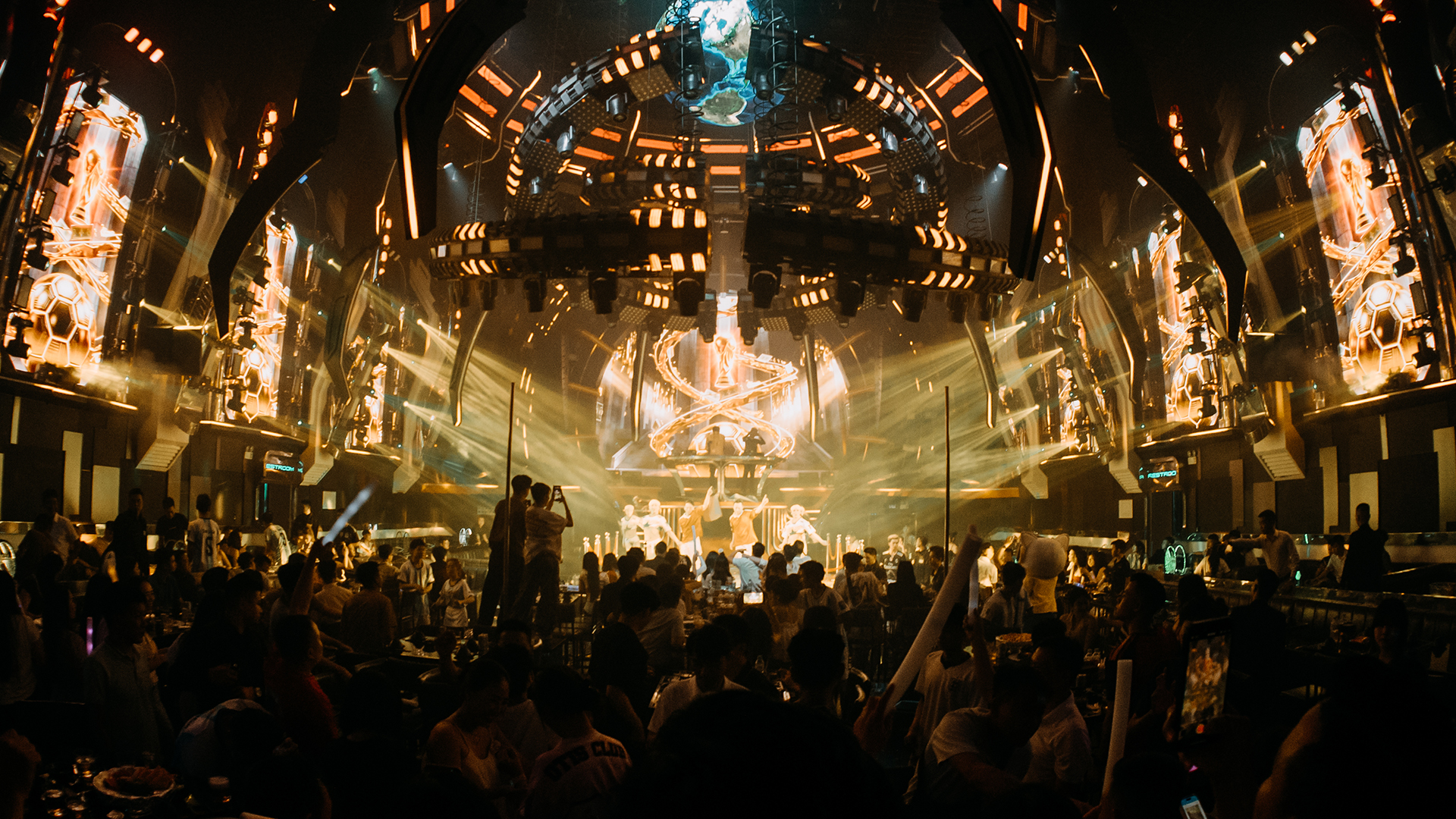

When discussing the music experience and sound systems for nightclubs, beer clubs, bars, or restaurants, the first questions are often: Which brand should we choose, and how much power do we need?
Two nightclubs using the same brand and equipment configuration can still deliver very different experiences.
The difference often comes from whether the system was selected, configured, and positioned to suit the venue’s purpose, layout, and operation.
Three factors should be understood before choosing equipment. The equipment is the means of putting those requirements into practice.
1. The Venue’s Purpose Shapes the Music Experience
Sound plays a different role in each venue format.
In a nightclub, music is usually the main attraction. Guests come to listen and dance, so the sound needs to provide even coverage and sustained energy across the dance floor.

In a beer club or a restaurant with live performances, music is still important. It also needs to work alongside dining, conversation, and social interaction.

System design should therefore begin with the question:
What is this venue’s operating model, and what role should sound play?
When the business model changes, its purpose and audio requirements change too.
Moving from a nightclub to a beer club or beer garden often shifts the emphasis to zoning for dining, dancing, VIP areas, and daily operation.
Read more: From Club to Beer Garden: When Can You Keep the Existing Sound System? (Vietnamese)
The reverse transition requires a closer assessment of the system’s available capacity.
Read more: From Beer Garden to Club: Why Turning Up the Volume Is Not Enough (Vietnamese)
2. The Layout and Loudspeaker Positions
Sound needs to reach the actual listening positions.
Floor area, room geometry, the stage, DJ booth, tables, standing areas, and circulation routes all directly affect the system layout.

Consider a real example: a guest is dining outdoors with family at a roadside venue. There are still few customers, and the music is not particularly loud.
The guest’s table, however, sits outside the loudspeaker’s main coverage. Each loudspeaker distributes sound within a particular directional pattern; the area it is intended to serve is its coverage area.

Outside that coverage area, guests may still hear the music, but its level and clarity can be uneven. They may find it difficult to focus on their meal or talk comfortably, even when the overall volume is moderate.
The issue is that coverage does not adequately reach the positions people are using.
Interior Materials
Materials also affect how sound behaves in the space. Glass, stone, and metal tend to produce more reflections. Some soft materials absorb more sound within particular frequency ranges.

Too much absorption can also leave a room feeling lifeless or unnaturally dead.
In a nightclub, beer club, bar, or lounge, the interior must still serve the venue’s aesthetic and practical needs. The audio team’s role is to understand those conditions and select, position, and configure a suitable system.
3. How the Venue Operates in Practice
A system demonstrated in a nearly empty room can feel different when the venue is busy or full.
People and their clothing change the amount of absorption. Audience distribution also varies from night to night: guests may gather on the central dance floor, near the stage, or around tables.


Testing only in an empty room therefore does not fully represent actual operating conditions.
How the space is used may change with:
- The time of day.
- The type of program.
- A DJ or live band.
- The event layout.
- Audience density.
- Which areas are open or closed.

A suitable sound system should accommodate the operating conditions identified during the initial survey.
Lighting also influences the music experience. It does not determine the system’s technical audio quality, but it can affect the emotions associated with listening.
Lighting remains a supporting element. It cannot compensate for an unsuitable sound system design.
Equipment Turns the Objectives into Reality
Good equipment is necessary, but its value depends on how it is used.
Loudspeakers, subwoofers, amplifiers, DSP, and mixers work effectively when they are selected and configured around:
- The venue’s purpose.
- The actual layout.
- How the venue operates.
A capable equipment package can still deliver an unsuitable experience if it is used for the wrong purpose or installed in the wrong positions.
Alongside asking which equipment is more powerful, ask:
Which equipment suits this project’s objectives, layout, and operating requirements?
Why These Three Factors Matter
Defining the purpose, layout, and operating conditions from the outset gives the design team a practical basis for its decisions:

This does not mean that the system will never need to change.
Interiors, programs, audience density, and business models can all evolve. A system designed around real conditions is easier to control and better placed to adapt.
When Should You Review the Sound System?
Consider a review when:
- The business model changes.
- The interior, stage, or layout changes substantially.
- New guest areas open without a coverage assessment.
- Negative feedback repeatedly concerns the same location or time.
- The experience differs noticeably between an empty and a full room.
- Current operation differs from the original design brief.
- Sound and lighting are not supporting a consistent experience.
A review does not automatically lead to equipment replacement. It may identify changes to operating practices, settings, positions, or a particular part of the system.
Frequently Asked Questions
Is good equipment enough?
No. Good equipment delivers its value when it is selected and configured for the venue’s purpose, layout, and operation.
Do guest complaints mean the system needs to be replaced?
That cannot be concluded immediately. First establish where the feedback occurs, when it occurs, and under which operating conditions.
Can the system be assessed remotely?
A floor plan, photographs, videos, and an equipment list can support an initial assessment. Coverage and room interaction usually require an on-site survey before firm conclusions can be drawn.
Conclusion
Understanding these three factors helps the music experience match the intended role of the system from the outset. It also makes the system easier to operate and better able to adapt when the space changes.
The experience depends on equipment being selected, positioned, and configured for the venue’s purpose, layout, and daily operation.

Is Your Venue’s Music Experience Falling Short?
If guests say it is difficult to talk even when the music is not loud, the system deserves a closer look. Repeated complaints about one particular area are another useful signal.
You can send B-Star:
- The venue’s purpose: nightclub, beer club, beer garden, restaurant, or another format.
- The floor plan.
- Photographs or videos of the space.
- The existing equipment list.
- The locations that attract the most complaints.
- The times when problems usually occur.
- Recent changes to the interior, layout, or operating practices.
Our team can initially review whether the system suits the purpose, layout, and operation. We can then identify any further information or site survey work needed.
Reference: research on lighting and music perception, Illuminating Engineering Society, 2025: How Can Lighting Enhance Your Perceptual Music-Listening Experience?
B-STAR TRADING – SERVICE – DEVELOPMENT COMPANY LIMITED
Unit B-3, Quang Thai Building, 111B Ly Thanh Tong Street, Phu Thanh Ward, Ho Chi Minh City
Hotline: (+84) 911 171 969
Email: info@b-star.vn
See how these principles apply in B-Star’s sound system projects.