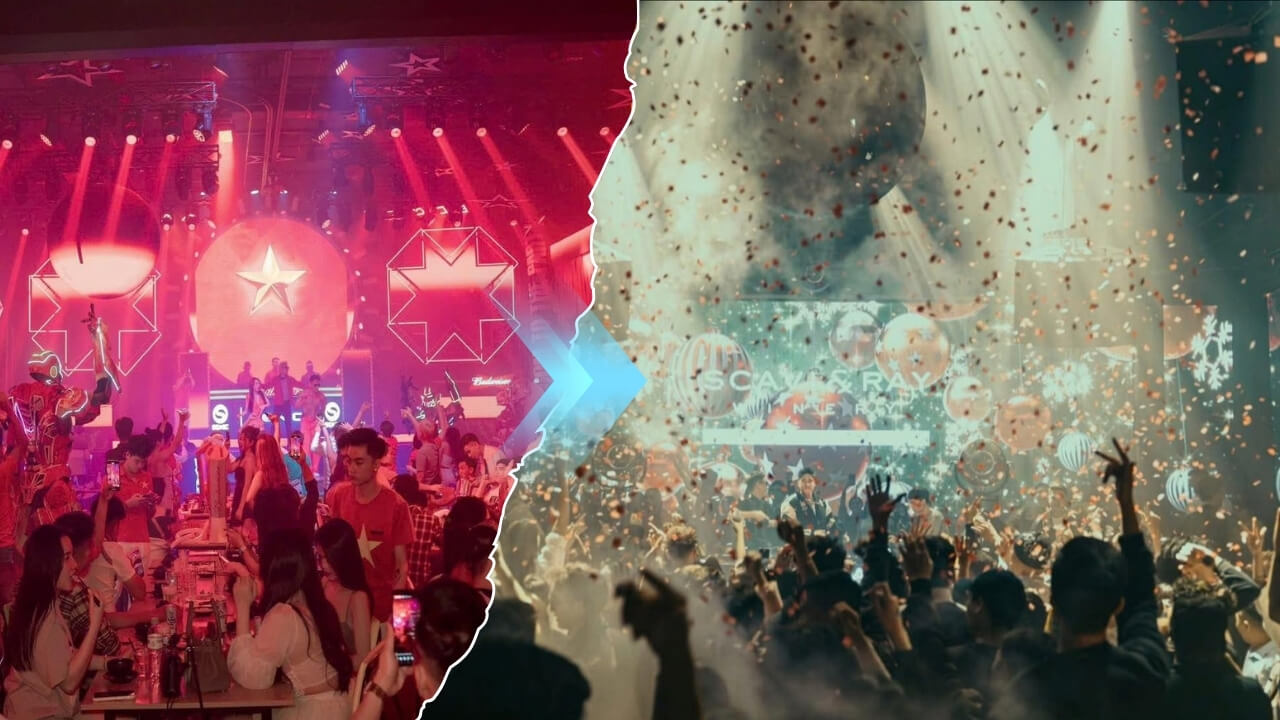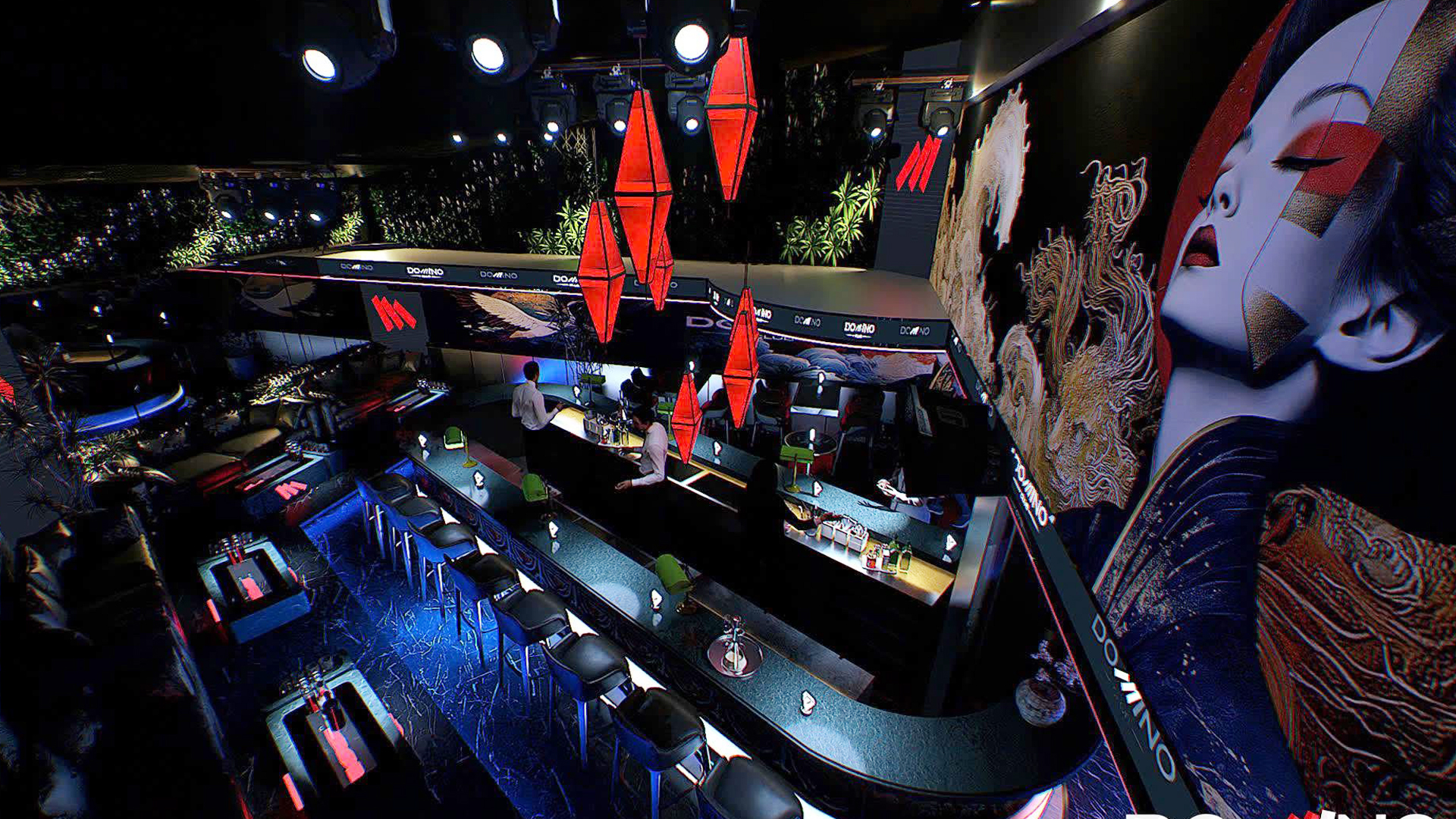


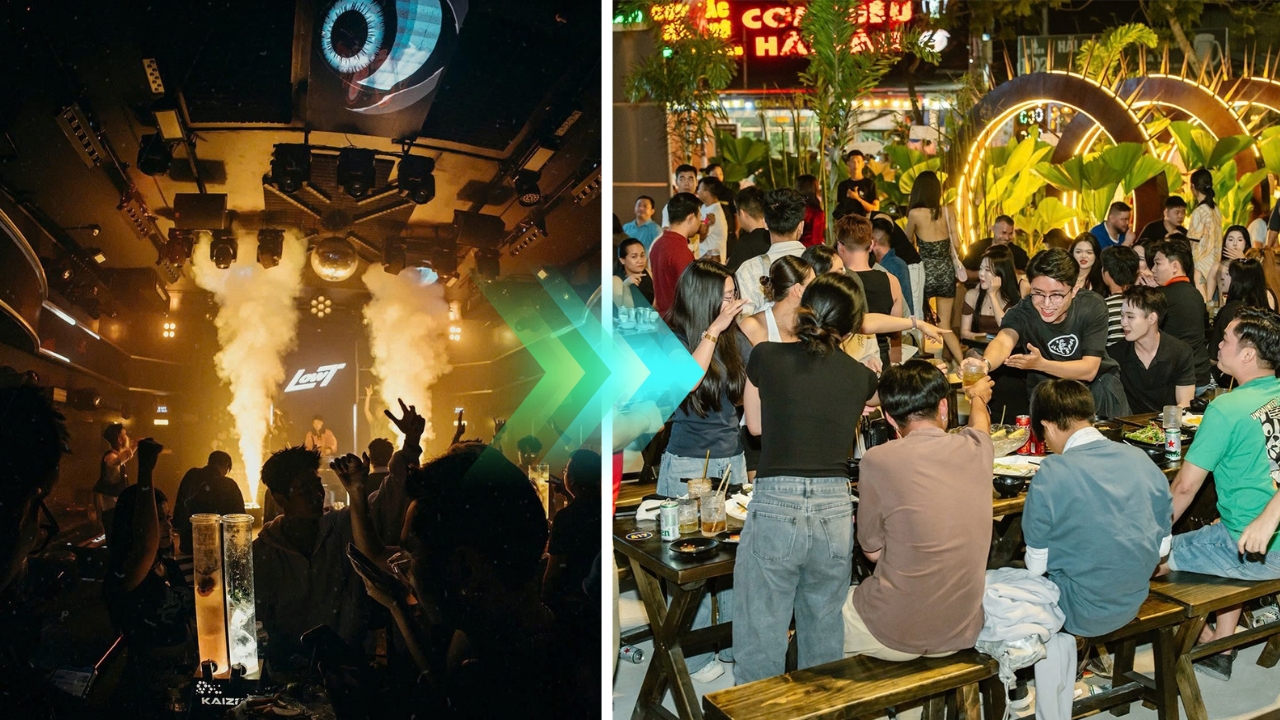

Since the beginning of 2026, converting a club to a beer garden and restructuring the business model have attracted attention from entertainment venue owners.
A frequently discussed option is moving from a nightclub to a beer club or beer garden. The focus broadens to include dining, conversation, performances, and experiences that change through the evening.
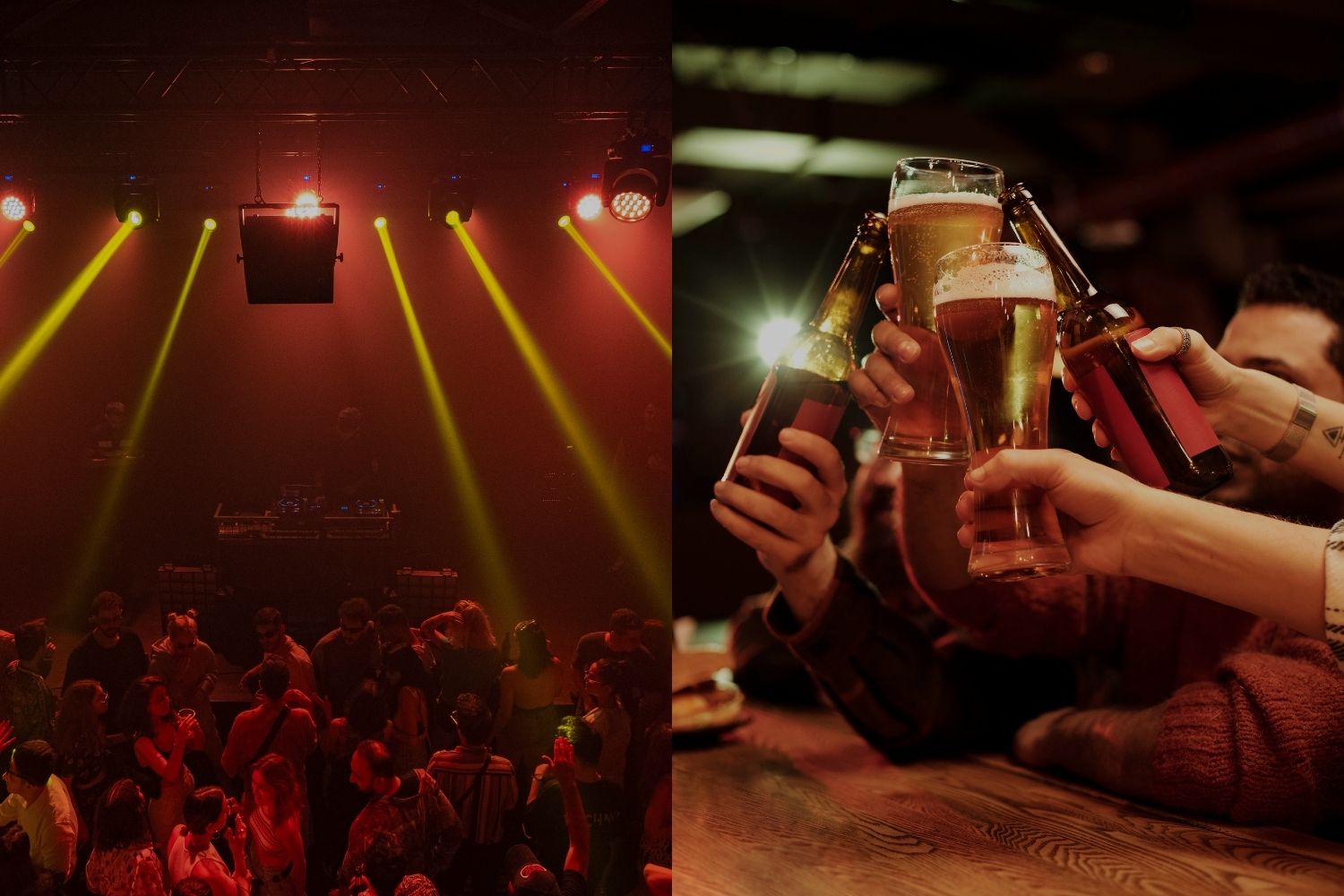
For venues that have already invested in a relatively complete sound system, the first question is usually:
“Can we keep using the existing system, or do we need to invest again?”
The answer should go beyond a simple yes or no.
Many systems can be retained. Keeping the hardware, however, does not mean keeping every setup and operating practice. When the business model changes, sound takes on a different role in the space.
Why Are Owners Considering a Change of Format?
Vietnam’s Law on Special Consumption Tax No. 66/2025/QH15, effective from January 1, 2026, maintains a 40% tax rate for discotheque services. Discotheque operation is a conditional business activity, with specific licensing, security, safety, and operating requirements. These measures regulate consumption and the organization of entertainment activities.

In this context, some owners are considering formats with a greater emphasis on food, drinks, socializing, performances, and varied entertainment.
Renaming a venue as a beer club or beer garden does not automatically change its tax obligations or legal classification. The new format needs to be assessed against its actual activities, licenses, registered business lines, and service arrangements.
This article focuses on one part of that transition: how should the sound system be operated when the guest experience changes?
From Club to Beer Garden: What Changes?
Both formats may have music, lighting, a stage, and a lively atmosphere. The difference lies in the role sound plays in how guests use the venue.
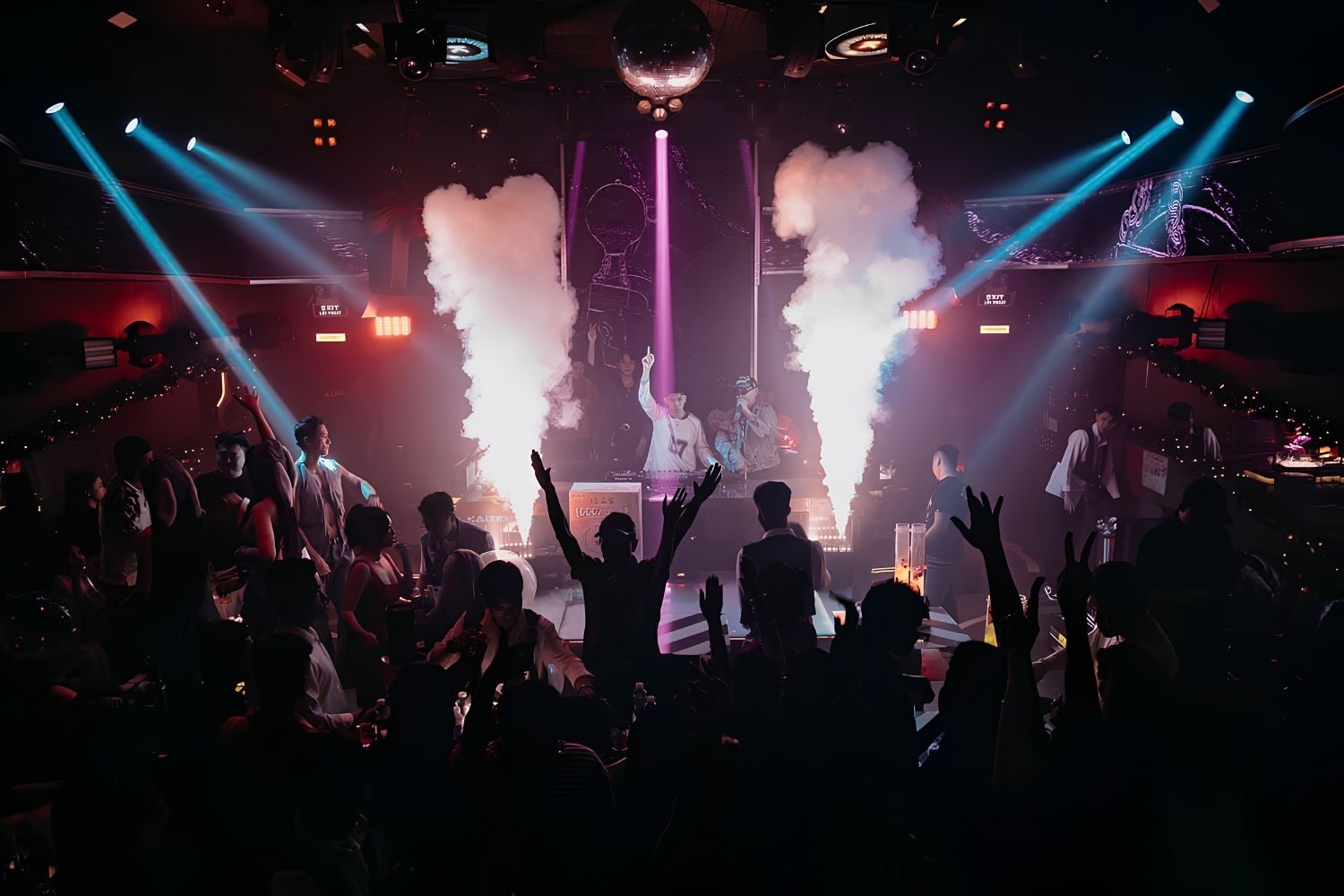
In a nightclub, music is usually the main attraction. Guests come to listen, dance, and immerse themselves in the room’s energy. High sound levels and a strongly enveloping experience are often part of their expectations.
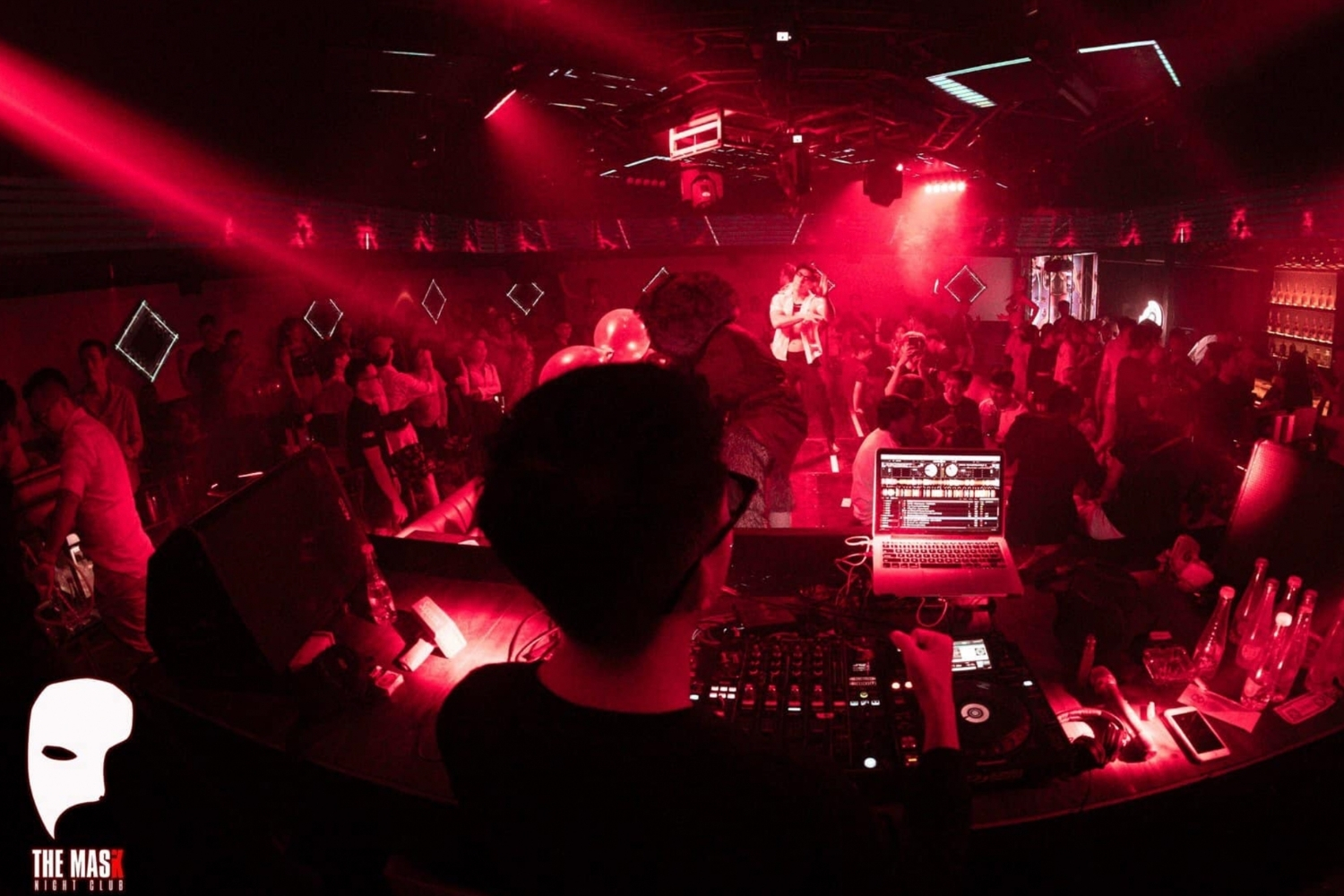
Music remains important in a beer garden or beer club, but it is one of several activities. Guests also eat, talk, socialize, and watch performances. The system needs to create an atmosphere while allowing different areas to operate at appropriate energy levels.
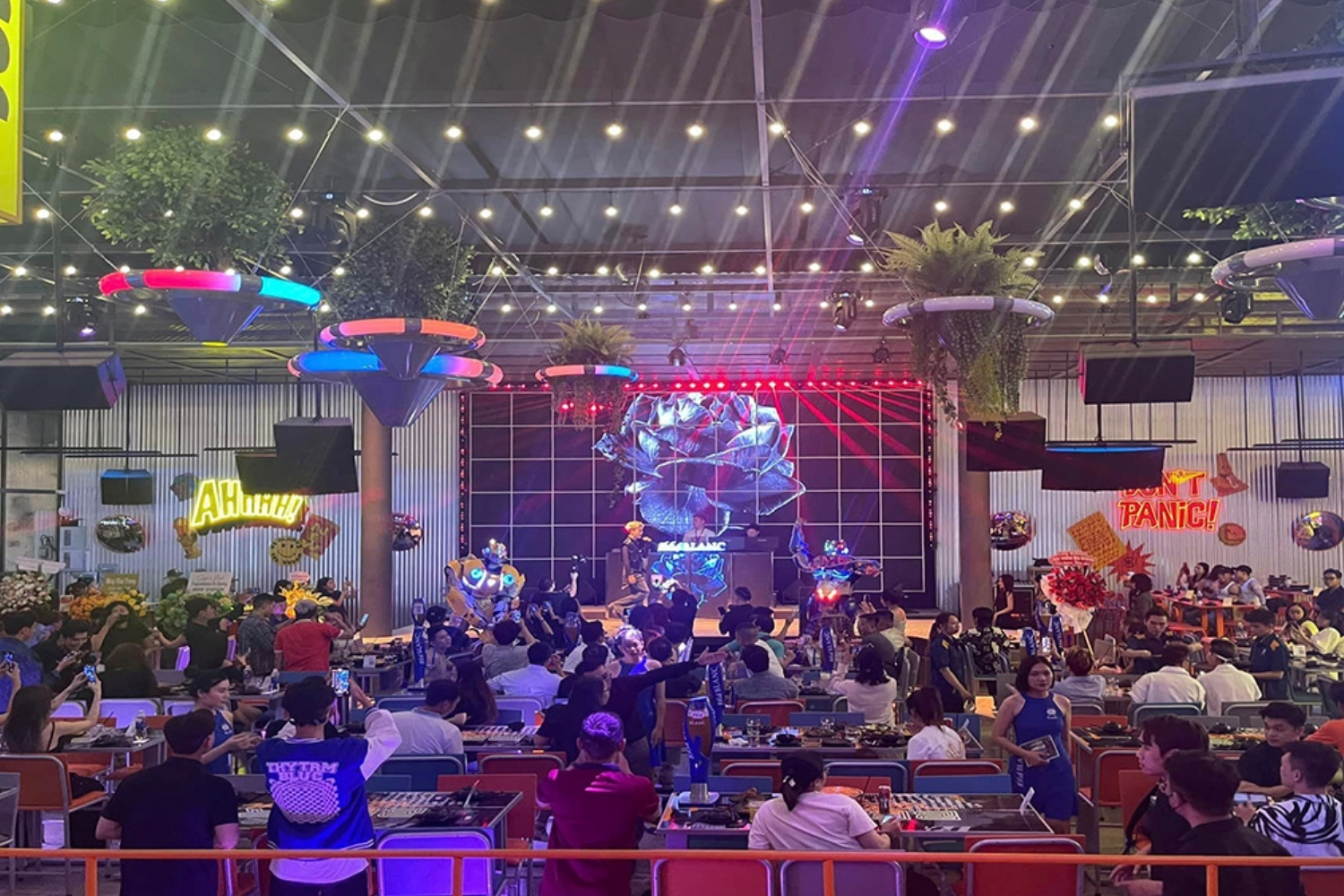
The transition does not necessarily require new equipment. It does require the system to be reassessed against the new operating objectives.
Keeping the Hardware Means Reviewing the Setup
The real work is configuring and operating the system appropriately for the new format. Three areas deserve particular attention.
1. Volume Zoning
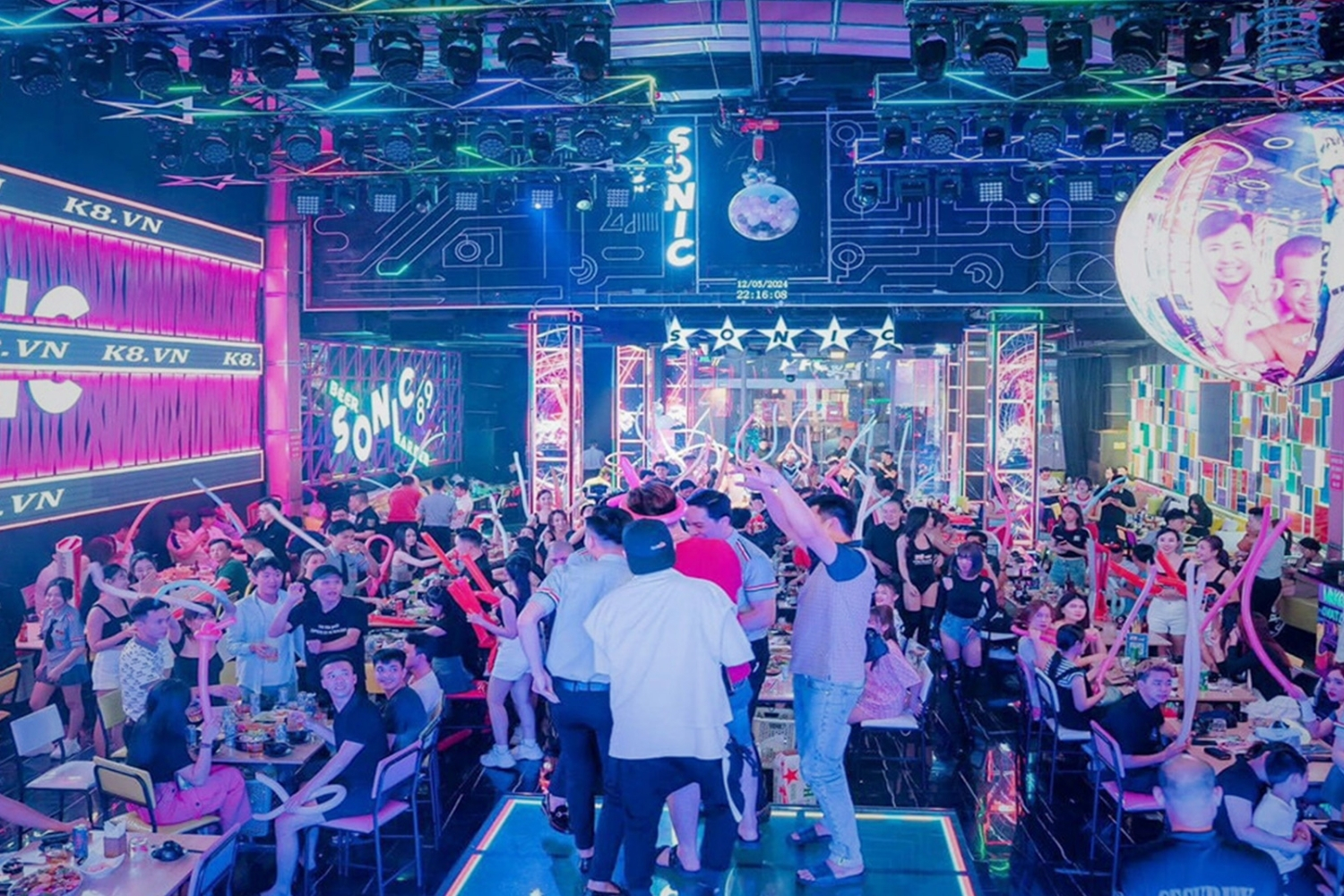
A system previously operated at a consistent level across the whole nightclub needs to be adjusted. The stage or DJ area, conversation tables, and VIP areas may each require different levels.
2. Operation at Different Times
A beer garden or beer club often changes character through the evening.
Early evening may focus on dining and conversation, followed by a livelier atmosphere later at night.

Operation should follow those changes, rather than maintaining one fixed level throughout the evening.
Reference levels or presets for different time periods help the team make consistent adjustments instead of relying on personal judgment each night.
3. The On-Site Operating Team
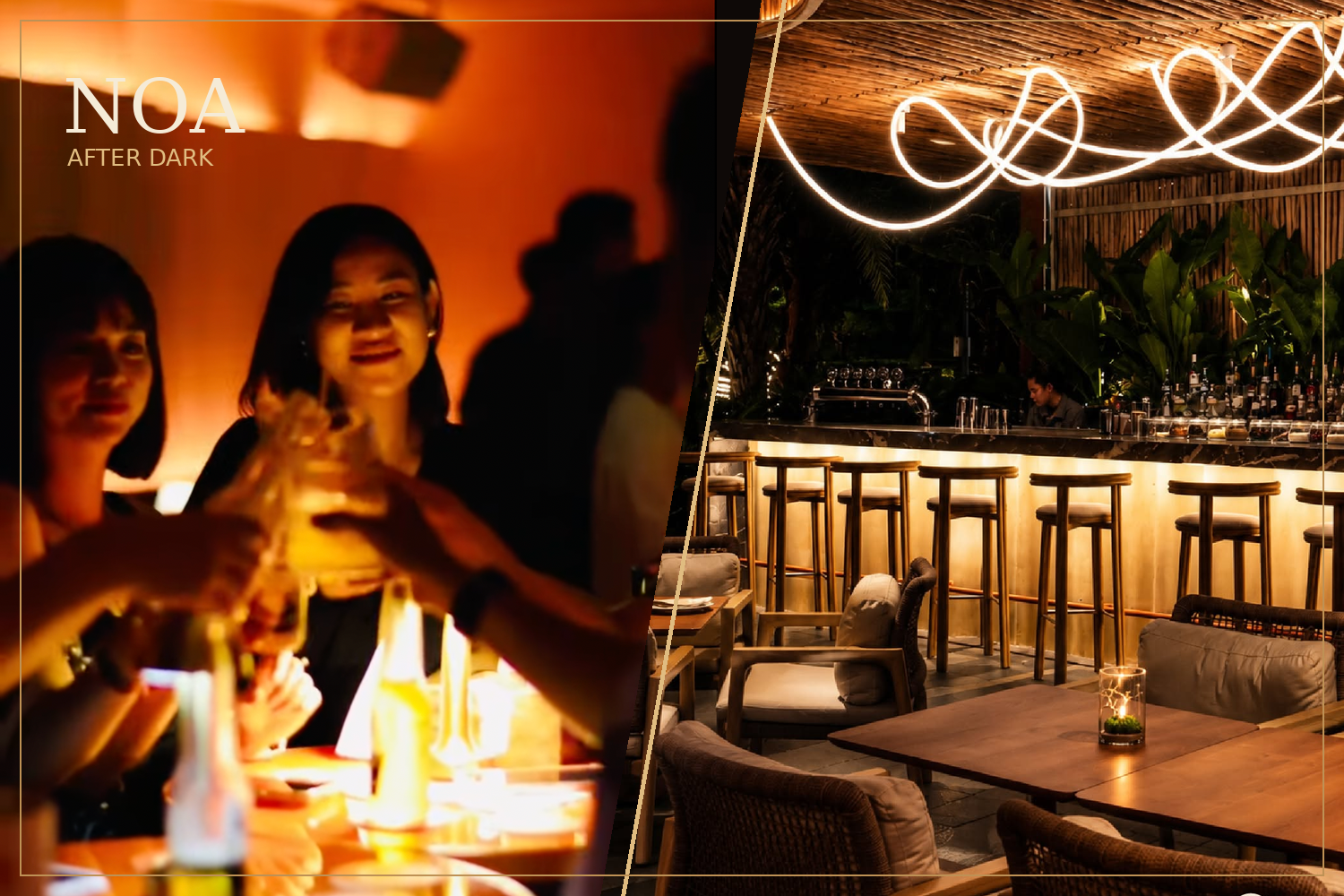
Staff accustomed to consistently high nightclub levels need guidance on adapting the system to the evening’s changing activities.
The central task is to reset operating practices. It does not automatically require another major equipment purchase.
The extent of the adjustments still needs to be assessed for each system. Existing systems do not all offer the same zoning flexibility.
Checks for the New Operating Model
- Can the existing system control the level independently in different areas, or does it operate uniformly throughout the venue?
- Has the team been trained to adjust levels by time and zone, or do staff still follow the old nightclub routine?
- Has the venue changed format while its sound operation remains the same? This is a common reason the guest experience fails to match the new brand positioning.
Lessons from Real Projects
B-Star has worked with venues that needed to change their business format following changes in industry regulation.
A thoughtfully zoned system is often better able to adapt. Processing resources and provision for expansion or reduced use can be planned from the outset. In favorable cases, staff need operating guidance rather than an entirely new sound system.
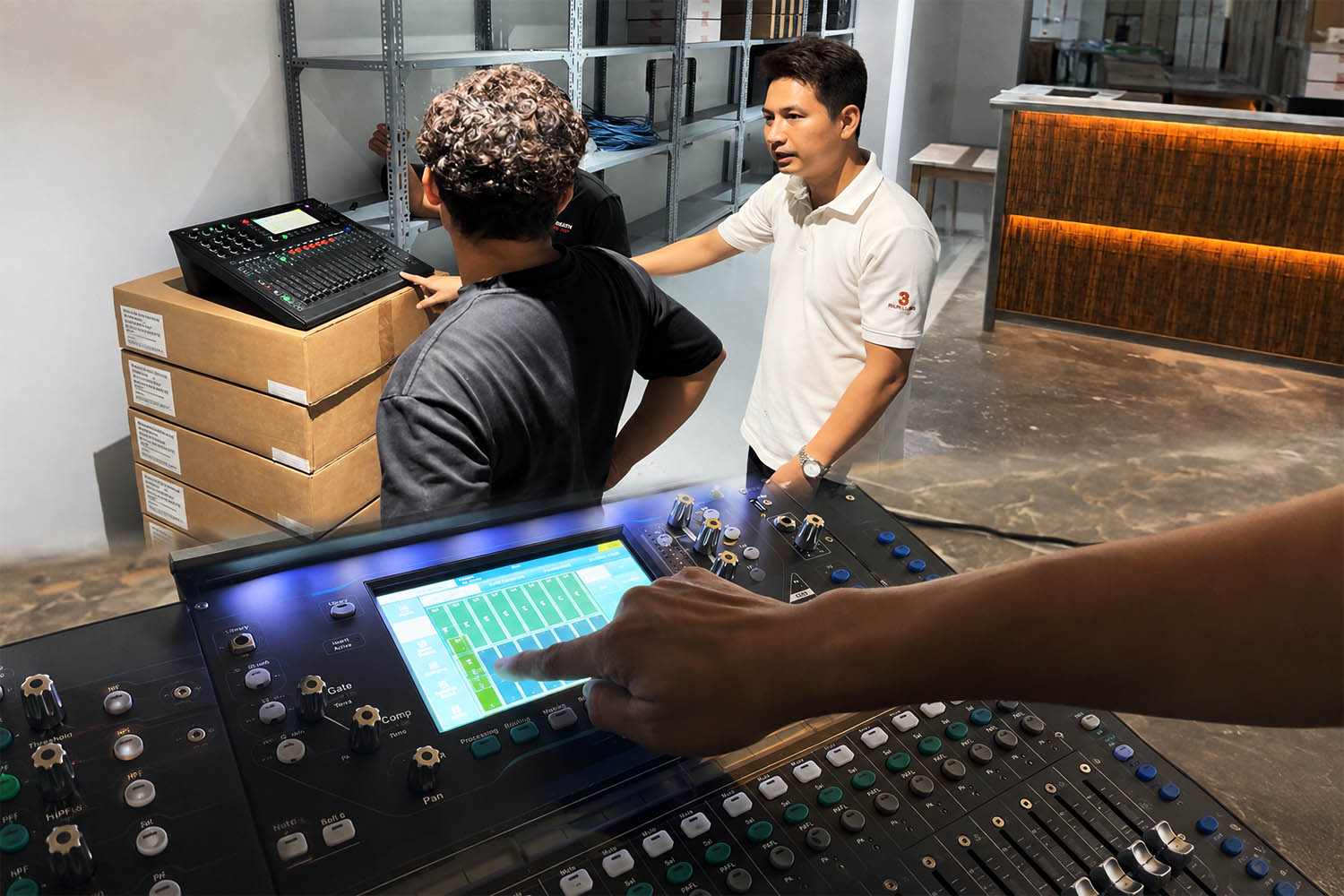
This shows that flexibility offers benefits beyond handover. It can also protect the value of the investment when the business model changes.
How much can be retained still depends on the layout, equipment, wiring, processing configuration, and new operating objectives.
Frequently Asked Questions
Does converting a club to a beer garden require a new sound system?
In many cases, the existing system can continue to be used. The work centers on adjusting how it operates.
It is still important to assess the system rather than assume that reducing the volume alone will meet every requirement of the new format.
What needs to change if the equipment is retained?
The main tasks are resetting volume zones, establishing levels or presets for different times, and retraining the on-site team.
How can I check the system’s zoning flexibility?
A site survey is needed. Zoning flexibility depends on the original loudspeaker layout and control equipment; it is not available to the same extent in every system.
Conclusion
Converting a club to a beer garden or beer club does not necessarily mean replacing the entire sound system.
In many cases, the existing hardware remains useful. Retaining equipment and retaining its operating setup are two different decisions.
The system should be reassessed against:
- How guests use the space.
- The role of music at different times.
- Conversation needs in each area.
- Zoning capabilities.
- Live-band, DJ, and performance requirements.
- The on-site team’s operating capabilities.
For the reverse transition—from a beer garden or beer club to a nightclub—see our more detailed article: From Beer Garden to Club (Vietnamese).
The appropriate approach is to assess the system. Identify which parts remain suitable, which need a new setup, and which require modification to serve the new format.
Changing Format and Assessing Your Existing System?
If you are changing your business model and need to adapt the sound system’s operation, send us a description of the current setup, including:
- The floor plan.
- The existing equipment list.
- The current zoning arrangement.
- The new operating model.
- DJ, live-band, and stage requirements.
- Problems encountered during operation.
We can provide an initial assessment of what may be retained, which settings need to change, and which areas require a site survey.
B-STAR TRADING – SERVICE – DEVELOPMENT COMPANY LIMITED
Unit B-3, Quang Thai Building, 111B Ly Thanh Tong Street, Phu Thanh Ward, Ho Chi Minh City
Hotline: (+84) 911 171 969
Email: info@b-star.vn