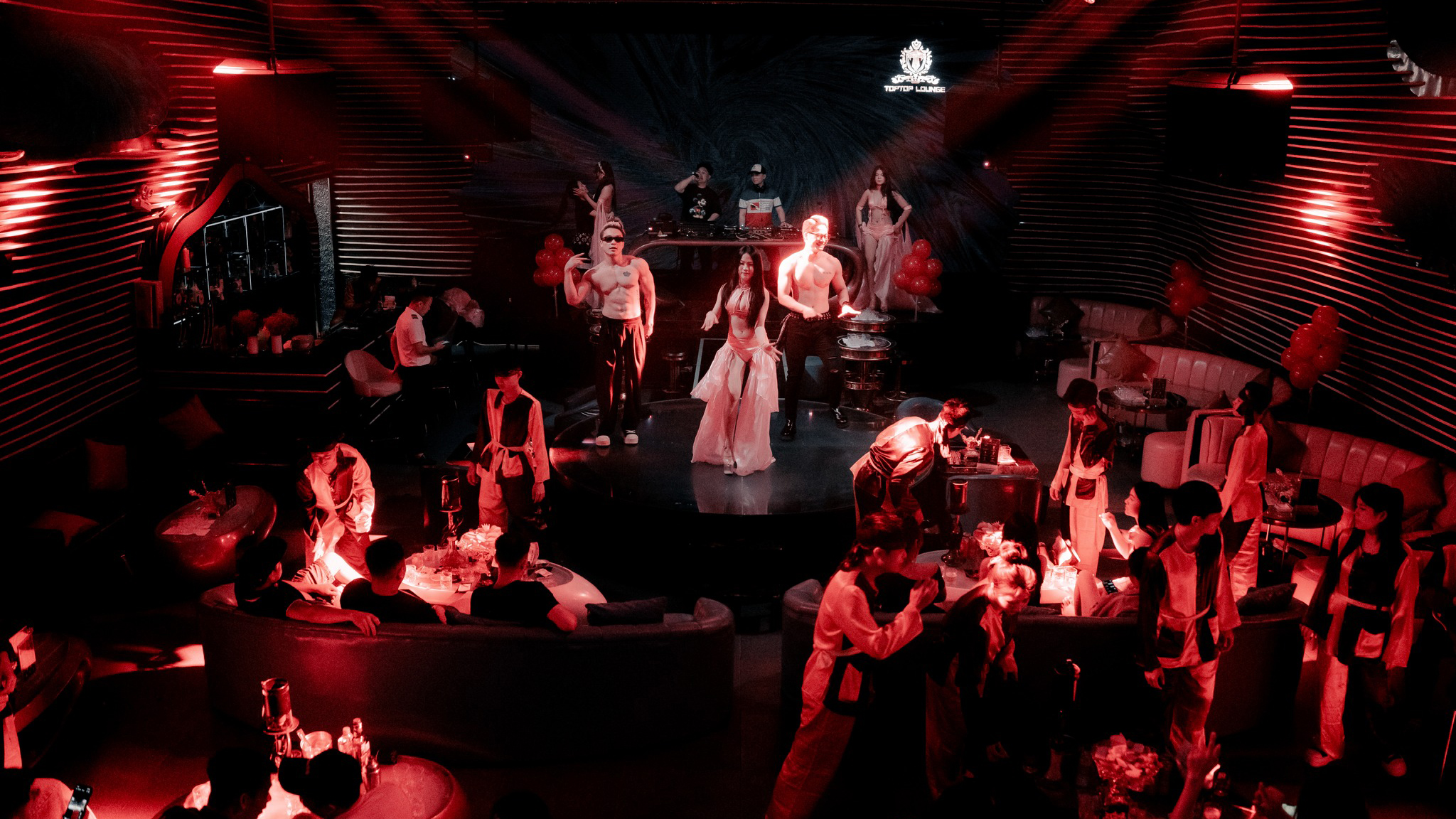
Bambi Beer Club Đà Nẵng | B-Star triển khai hệ thống âm thanh WPC của Martin Audio

Shanghai Beer Club

The Shanghai Beer Club sound system project was featured in Pro AVL Asia, a leading international trade publication covering professional audio, video, and lighting in the Asia-Pacific region.

Read the article: Pro AVL Asia Magazine

The venue is now known as Bambi Beer Club.

From the very first meeting, one comment from the owner stayed with B-Star:

‘Shanghai is a project I have poured my heart into, so please do your best to make it sound exceptional.’

We understood that this commitment called for care in every detail and a polished, memorable result, beyond sound quality alone.

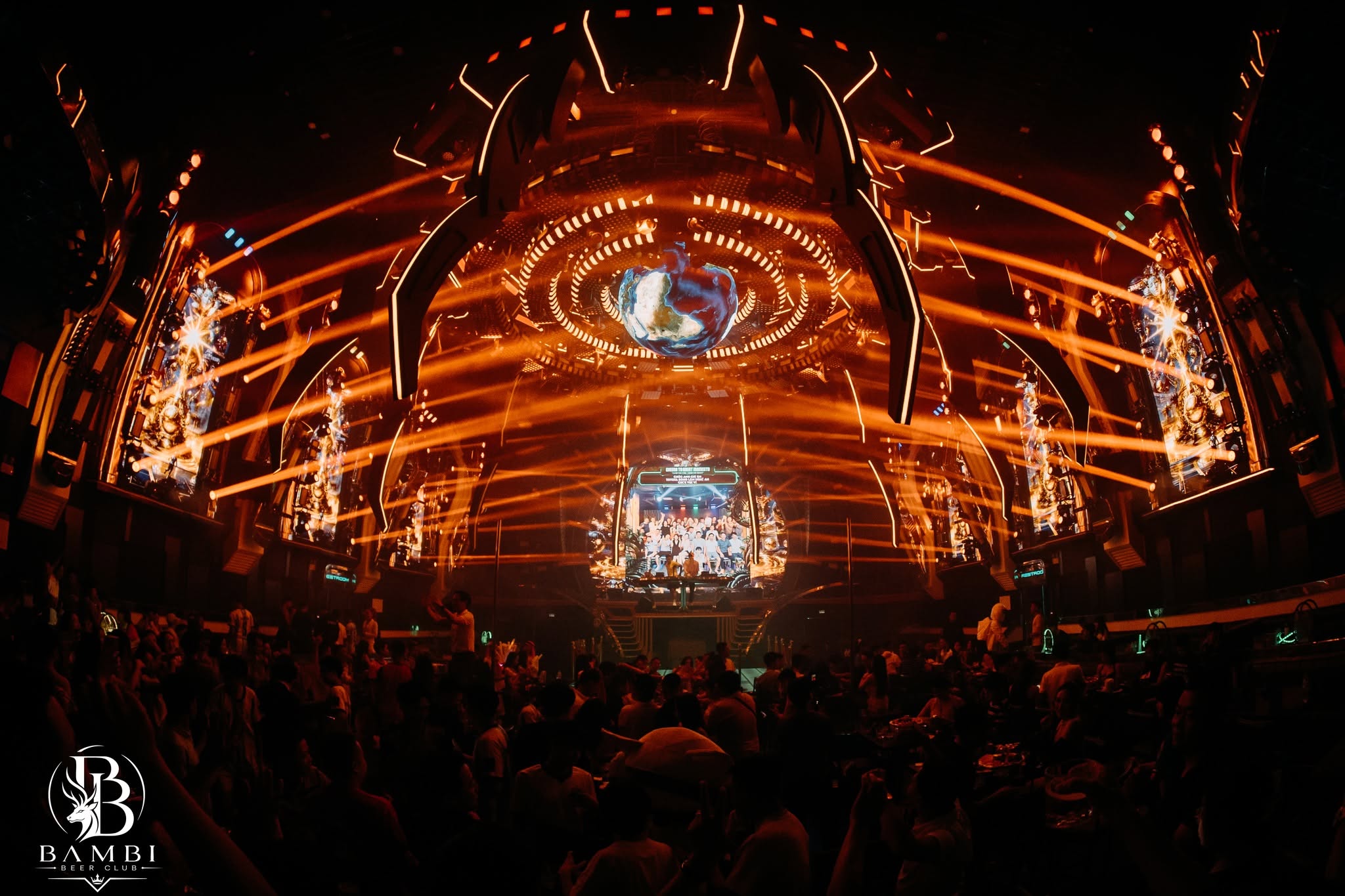
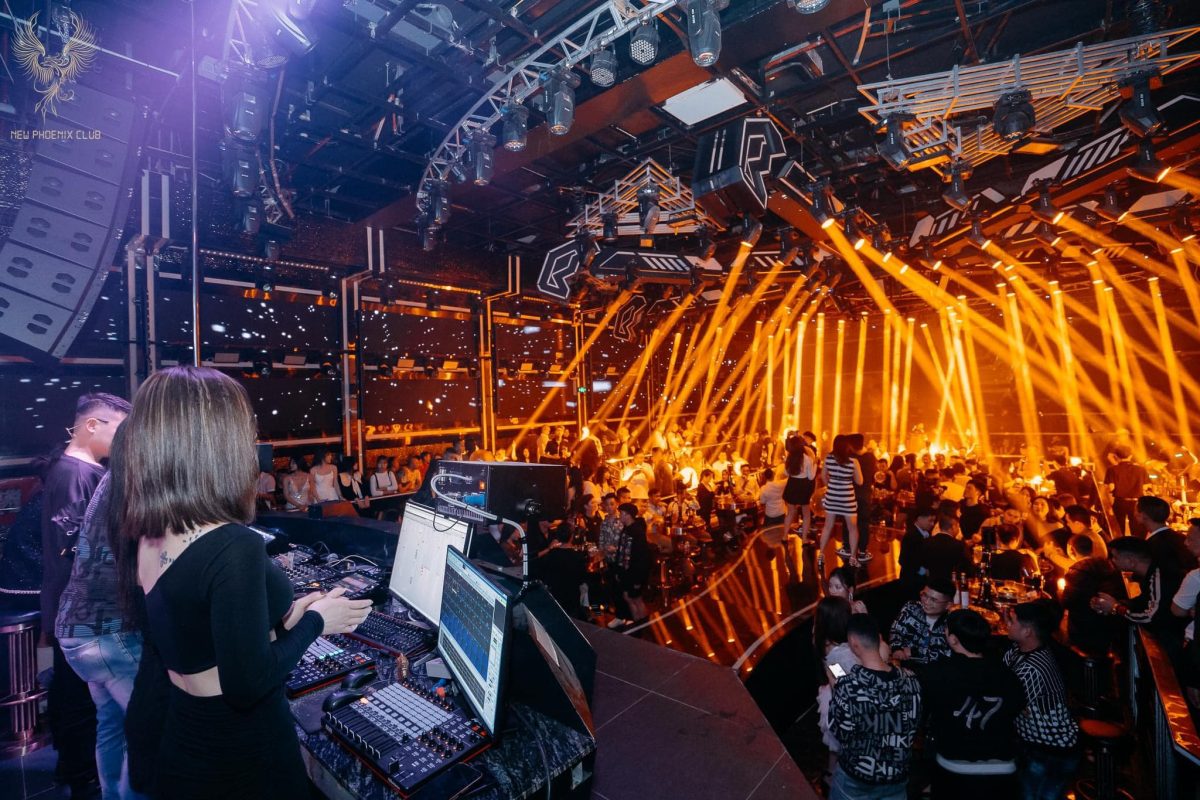
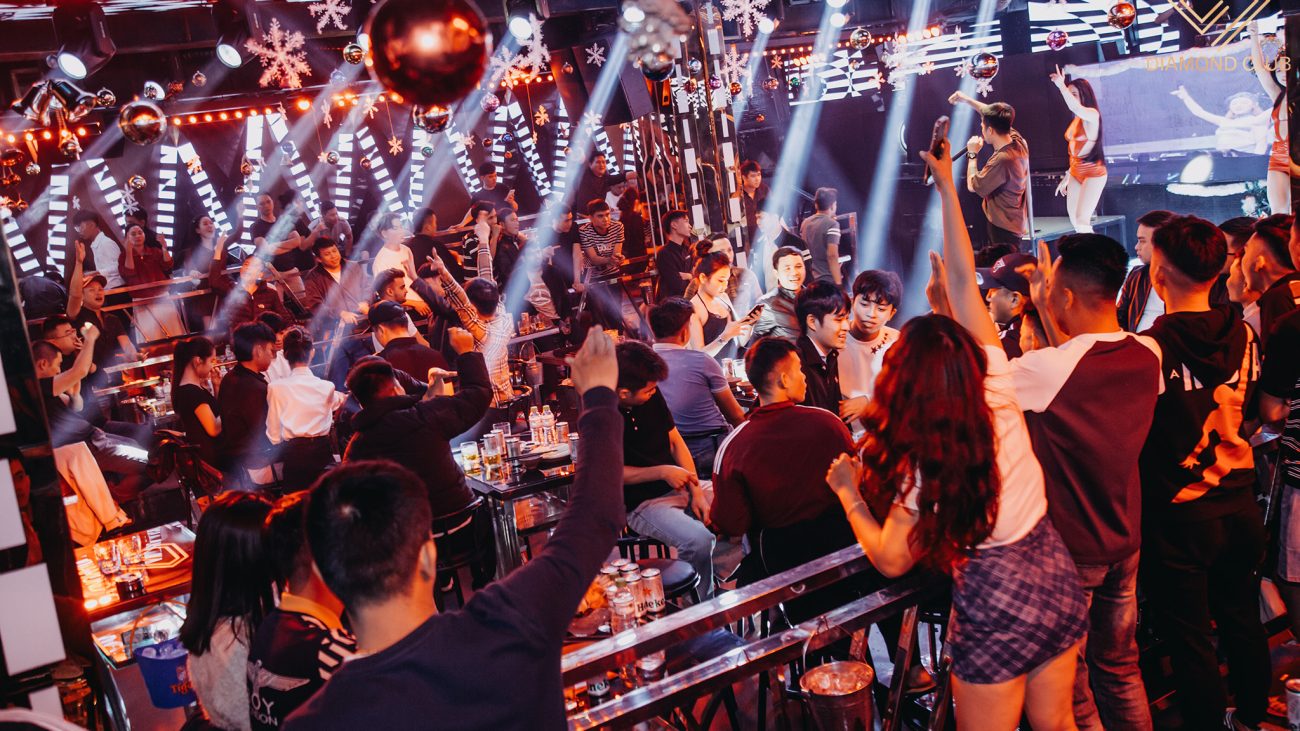
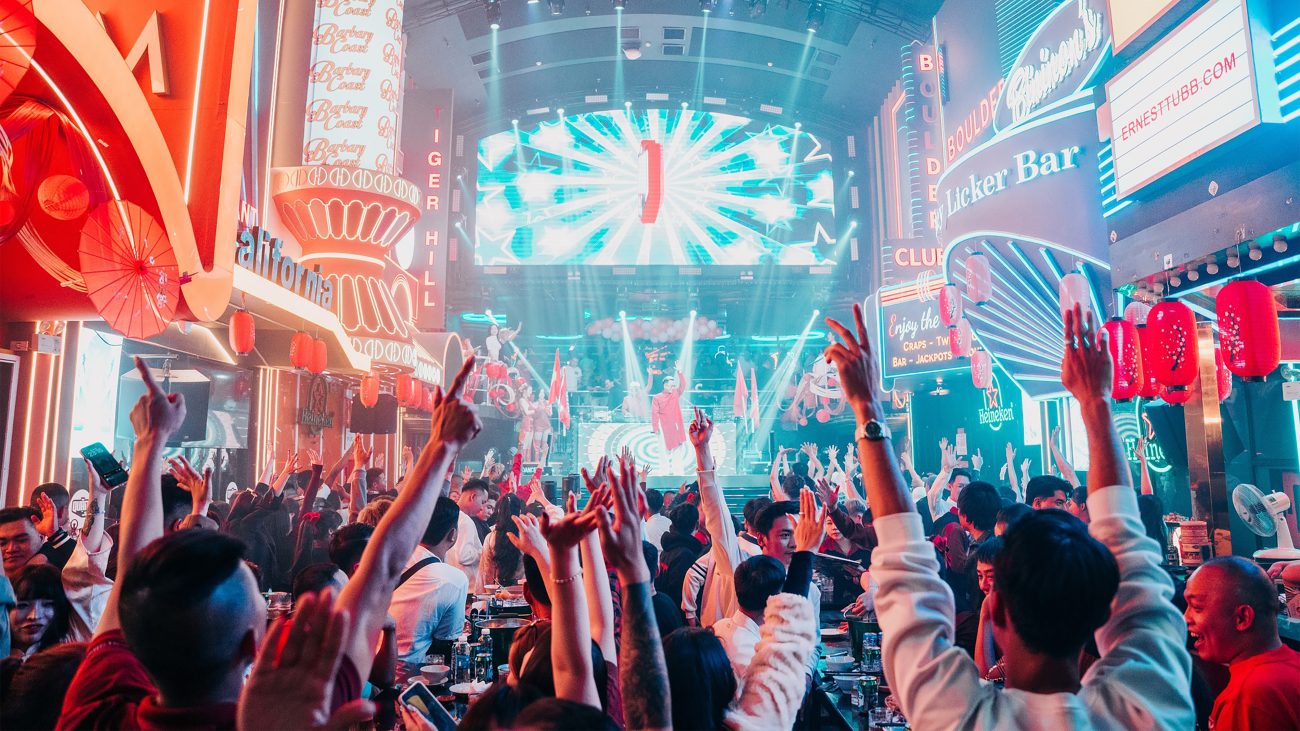
THE SHANGHAI BEER CLUB VENUE

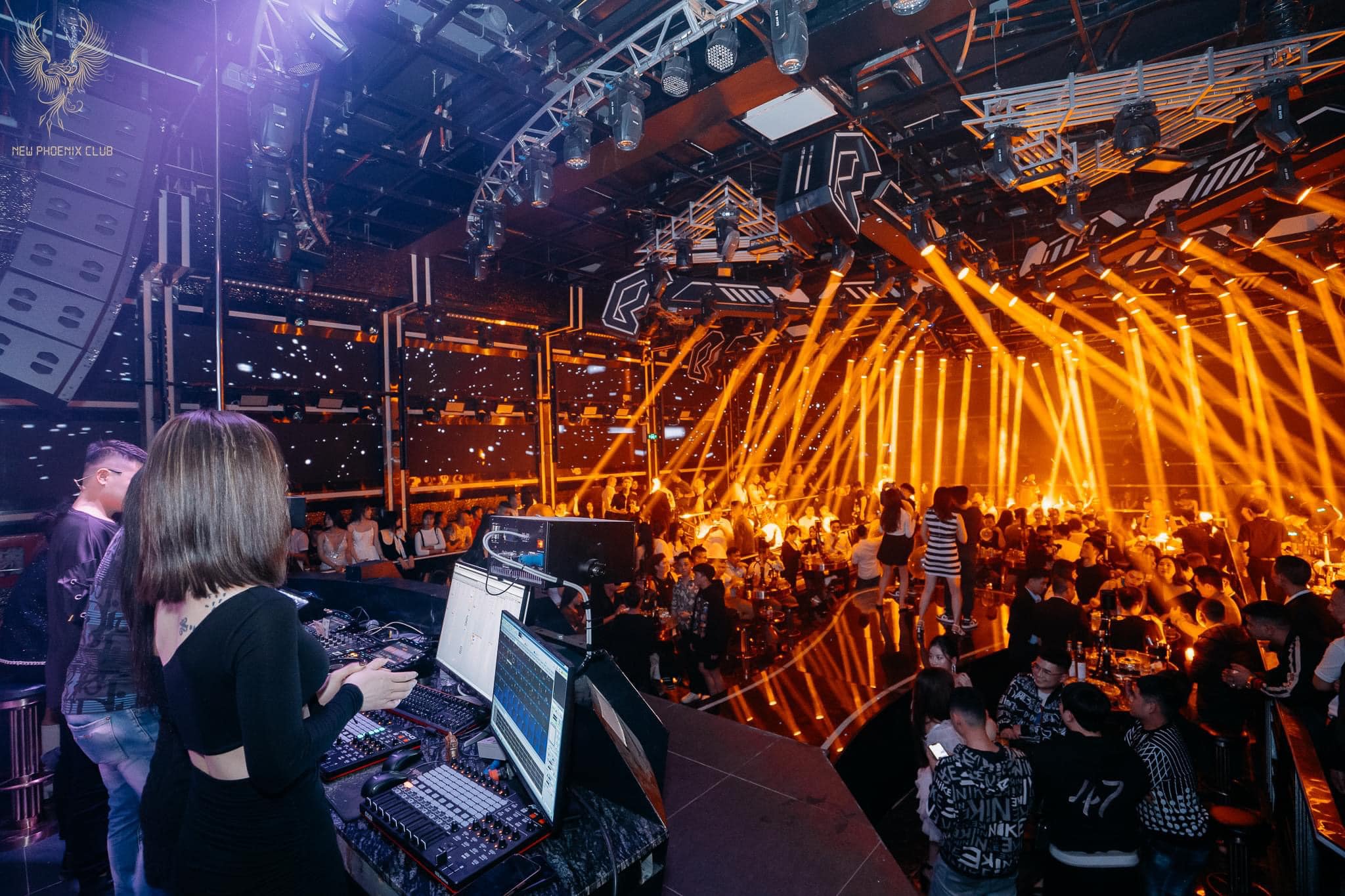
  • Venue dimensions: 25 m wide, approximately 30 m long, with a 12 m ceiling. The audio coverage area is 18 m wide and approximately 25 m long.
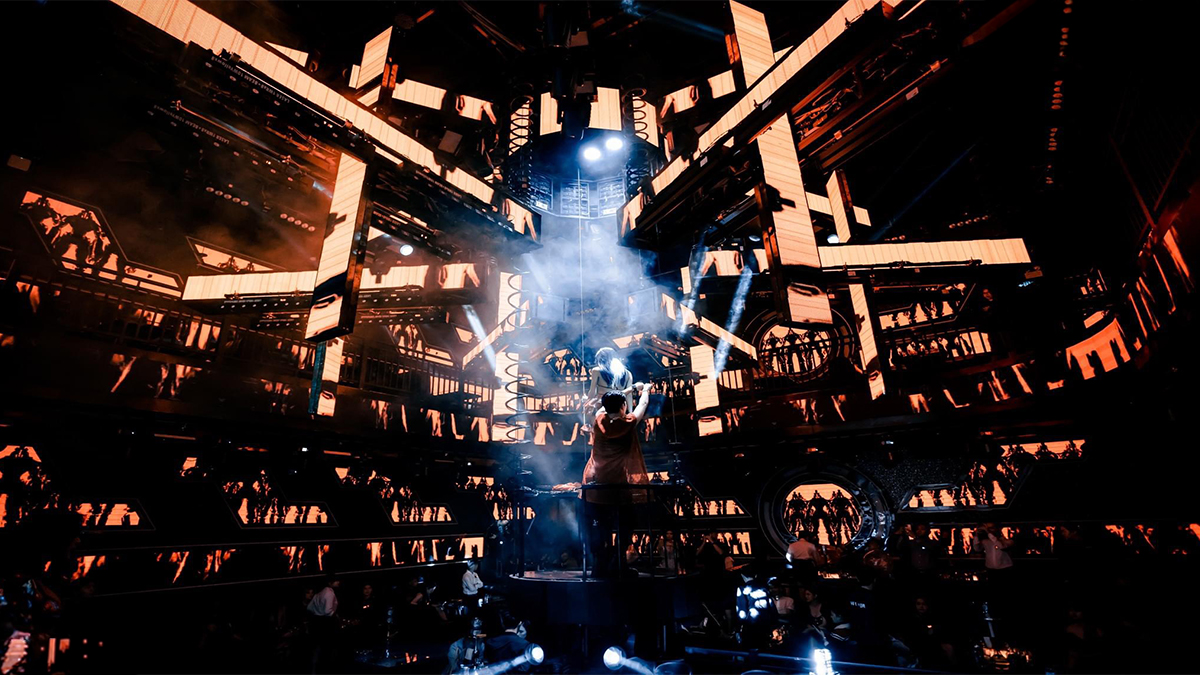
  • A large motorized lighting rig incorporates substantial, heavy steel structures.
  • The walls also use sheet-steel decorative elements. Adding sound insulation or absorption was not feasible because it could weaken the decorative structures and create operational risks.

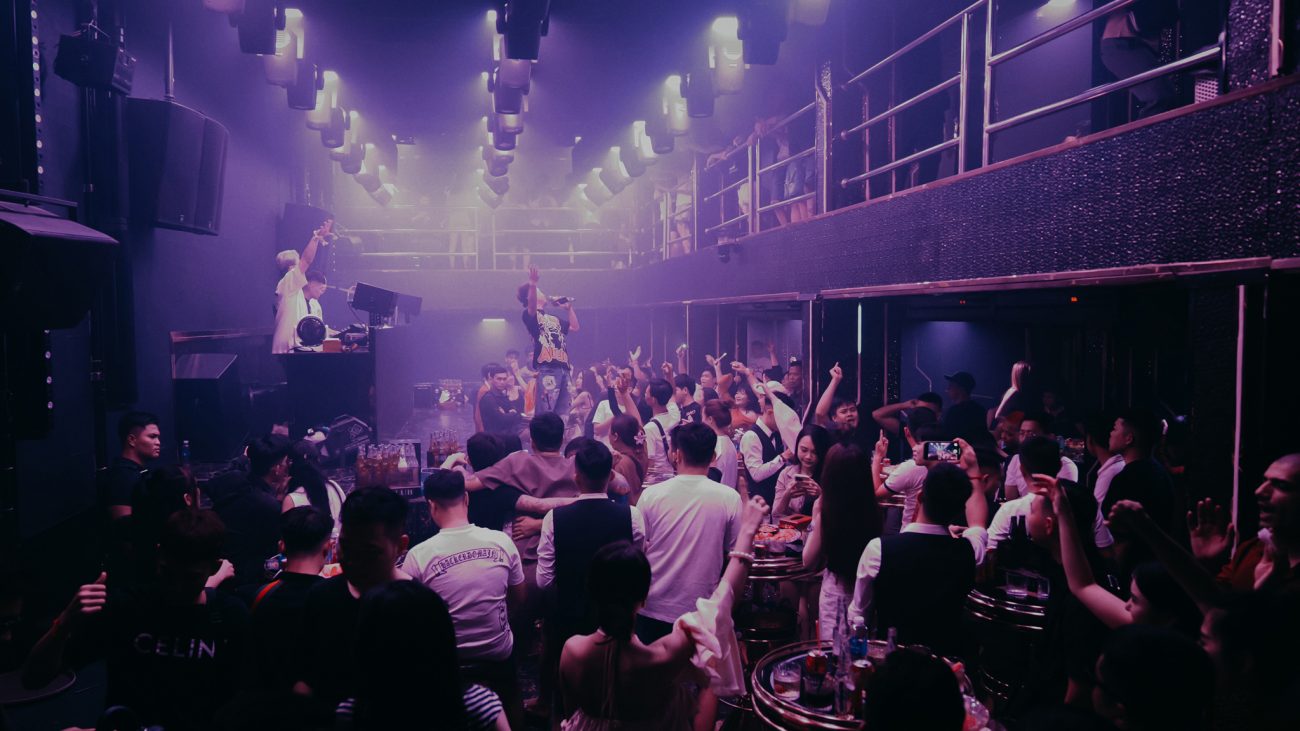
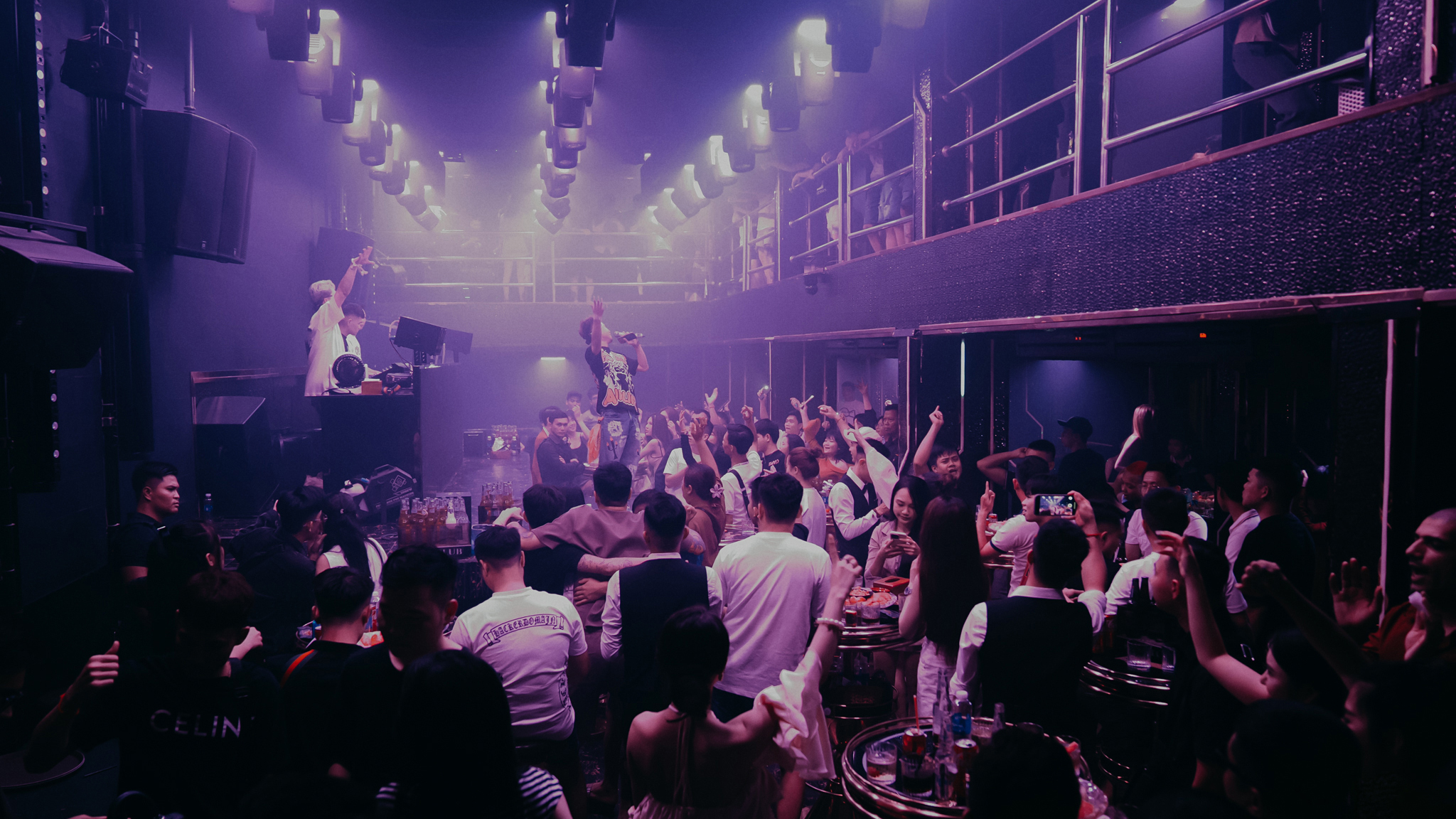
The main music style is Vinahouse, a distinctly Vietnamese form of EDM with a fast tempo, powerful, dense bass, and sustained energy throughout the night.

If the subwoofers lack sufficient output or are configured poorly, listening fatigue can develop quickly and the room can lose its energy.

Shanghai Beer Club Đà Nẵng
This meant that reverberation would be a significant challenge, while the options for acoustic treatment were limited. A few foam tiles or acoustic panels would not solve the problem.

After establishing the owner’s requirements, we worked with the Yên Cồng Kềnh interior team to finalize loudspeaker and subwoofer positions at Shanghai Beer Club.

DESIGN APPROACH

CONTROLLING SOUND ENERGY

At Shanghai Beer Club, the question was how to deliver the right sound throughout the venue:

‘How can we direct sound energy where it is needed, cover the full frequency range, and retain the character of Vinahouse with clarity and definition?’

This shaped B-Star’s design strategy around three priorities:

  1. Control coverage rather than distribute loudspeakers indiscriminately.
  2. Shape the frequency response to suit Vinahouse.
  3. Maintain adequate operating headroom for reliable, long-term use.

WHY USE LINE ARRAYS AT SHANGHAI?

With a 12 m ceiling, an audio coverage area 18 m wide and approximately 25 m long, and limited opportunities for acoustic treatment, point-source loudspeakers presented two challenges in this venue:

  • Short- and medium-throw arrangements could leave the far end short of sound energy.
  • Reflections could reduce clarity and increase listening fatigue.

We chose line arrays to address these challenges at Shanghai Beer Club.

Controlled coverage by zone

Line arrays allow coverage to be shaped in sections along the depth of the room. This makes it possible to:

  • Adjust each loudspeaker to cover the club evenly from front to back.
  • Minimize unnecessary sound energy directed at the ceiling and walls.

A balanced frequency range for Vinahouse

The system was configured to:

  • Maintain clear low-mid and mid-high reproduction, preserving vocals and melodies.
  • Prevent powerful sub-bass from overwhelming the rest of the mix.

Even coverage without delay loudspeakers

The motorized lighting rig occupies the center of the venue. Adding delay loudspeakers there would increase mechanical complexity and introduce aesthetic and operational risks.

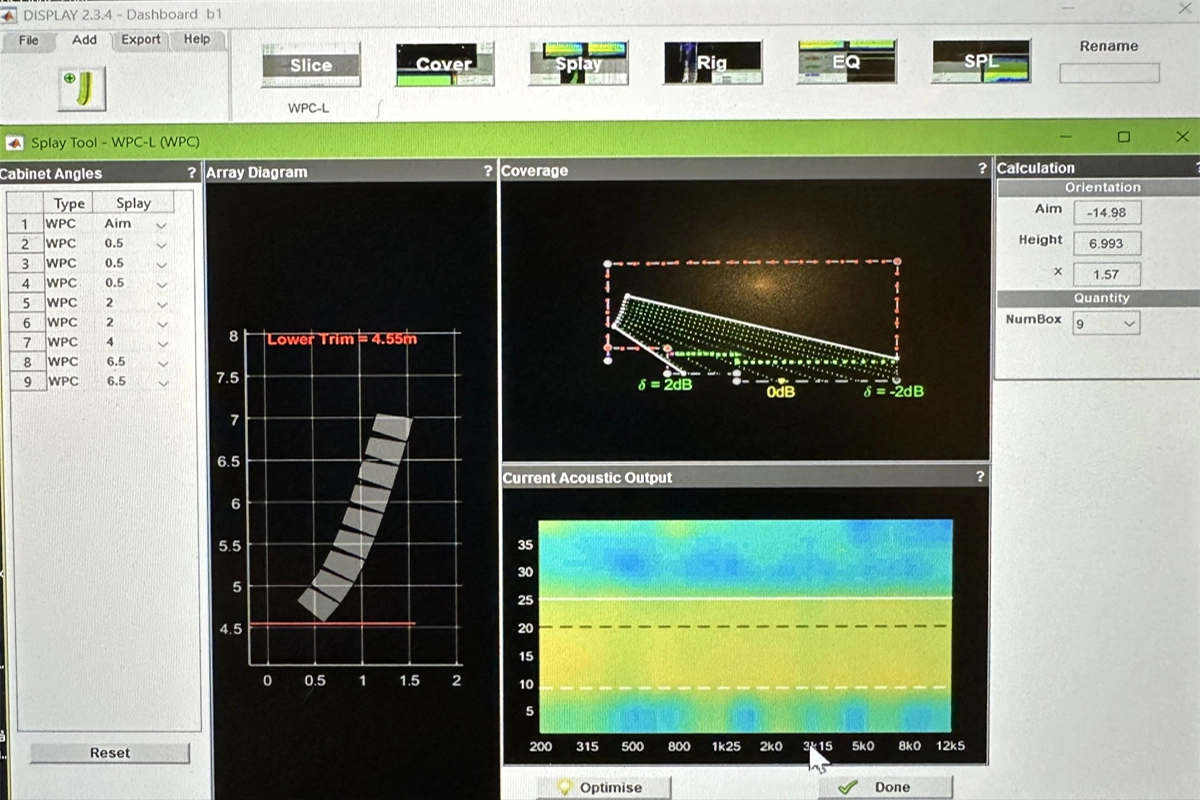
Instead, we modeled the loudspeaker count, coverage angles, and array tilt in Martin Audio’s DISPLAY 2 software. The design was optimized to avoid central delay loudspeakers while providing:

  • Even coverage across the 25 m depth.
  • Coverage without dead spots or excessively harsh areas.
  • A streamlined installation with fewer operational risks.

THE SUBWOOFER SYSTEM CHALLENGE

For Vinahouse, bass is the backbone of the experience.

However, the available subwoofer area was only 5 m × 3 m. With VIP seating on both sides of the stage, a conventional arrangement of cabinets spread across the space was not possible.

We combined flown and ground-stacked subwoofers. The ground-stacked system used three configurations together: Arc Sub, EndFire, and Single EndFire Sub at 45°.
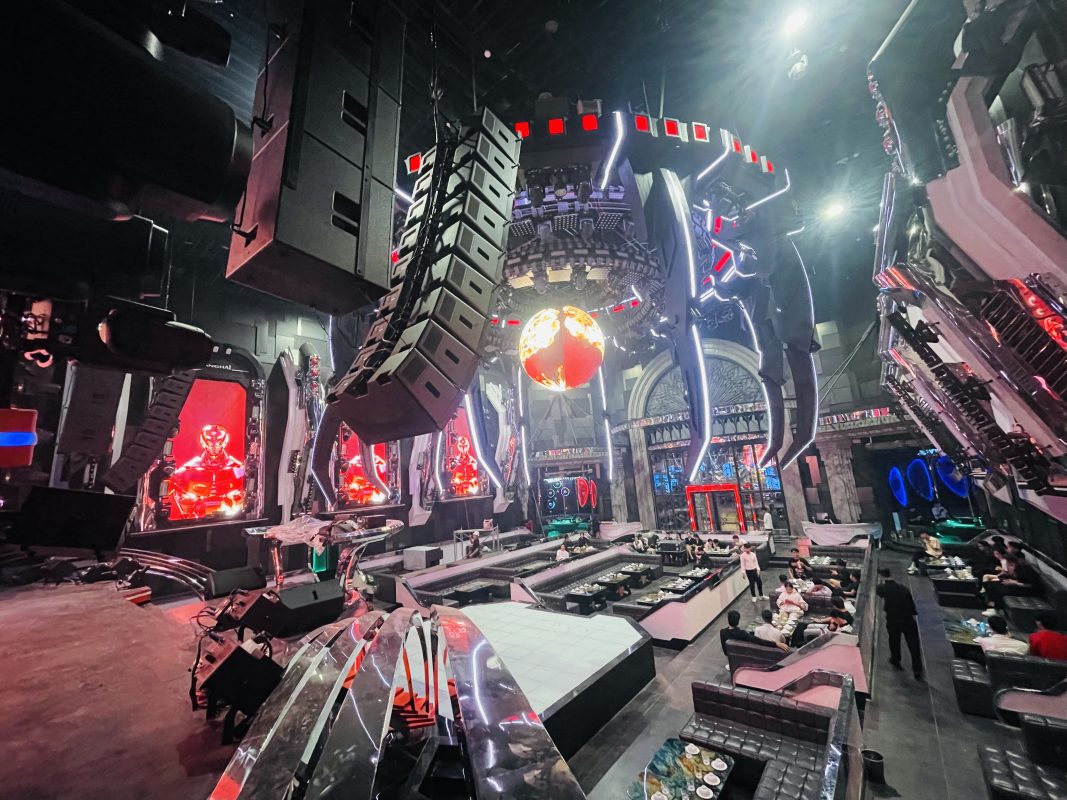
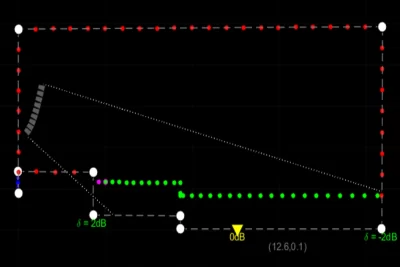
Shanghai Beer Club sound system and subwoofer layout

Flown subwoofers behind the line arrays were positioned to:

  • Reinforce 45–115 Hz from above, adding fullness to the bass.
  • Reduce the low-frequency load on the line arrays so they could focus on the low-mid and mid-high ranges.

This helped vocals, melodies, and lead parts remain clear over the powerful bass.

Space beneath the stage was restricted. Simply lining up more ground subwoofers wherever they would fit could cause:

  • Too much bass in some areas and too little in others.
  • Poor directional control and uncontrolled room excitation.

Instead, we arranged two stacked, forward-facing rows, with the subwoofers at the sides angled at 45°.

The aim was to use the interaction between placement, aiming, and the room to control costs while preserving the musical character required.
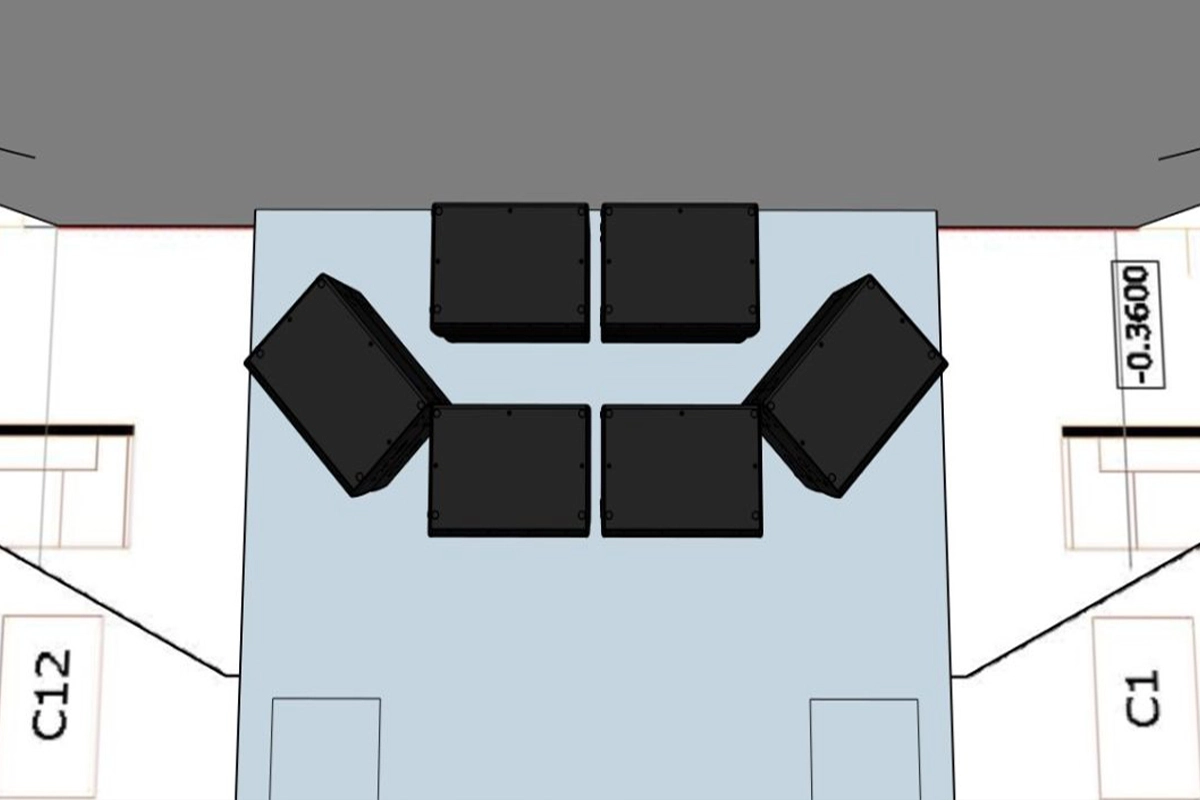
Shanghai Beer Club subwoofer array design

Every cabinet spacing, aiming angle, delay setting, and acoustic interaction was modeled in advance and verified on site.

The kitchen is directly behind the stage. The EndFire configuration helps concentrate bass toward the audience and reduce rearward output, supporting a more comfortable working environment for the kitchen team.

FROM SIMULATION TO REALITY

TUNING, MEASUREMENT, AND COMMISSIONING

Once the loudspeakers and subwoofers were in position, we began a stage we consider essential: tuning and verification.
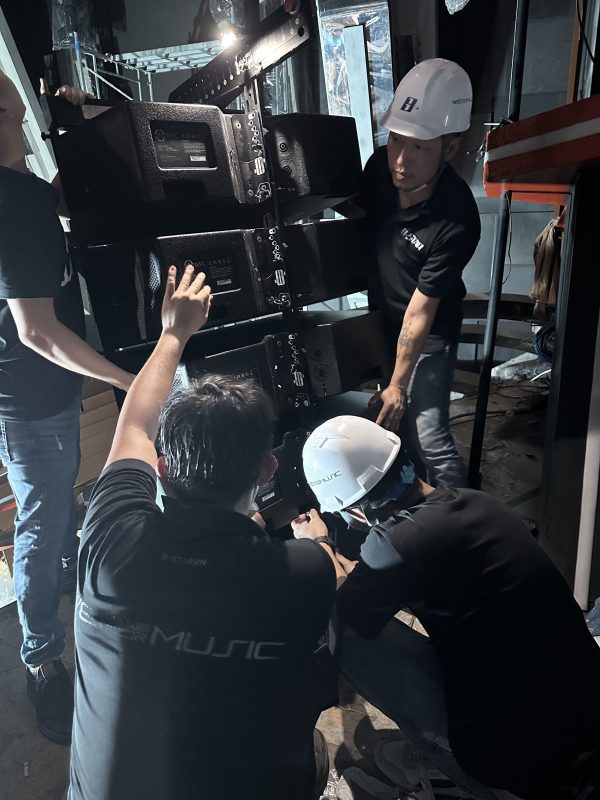
Martin Audio WPC loudspeakers at Shanghai Beer Club

Martin Audio WPC installation at Shanghai Beer Club

The NST Audio D48X processor and Allen & Heath SQ-5 mixer form the processing and control setup. VU-NET software was used to manage power allocation across 18 WPC loudspeakers.
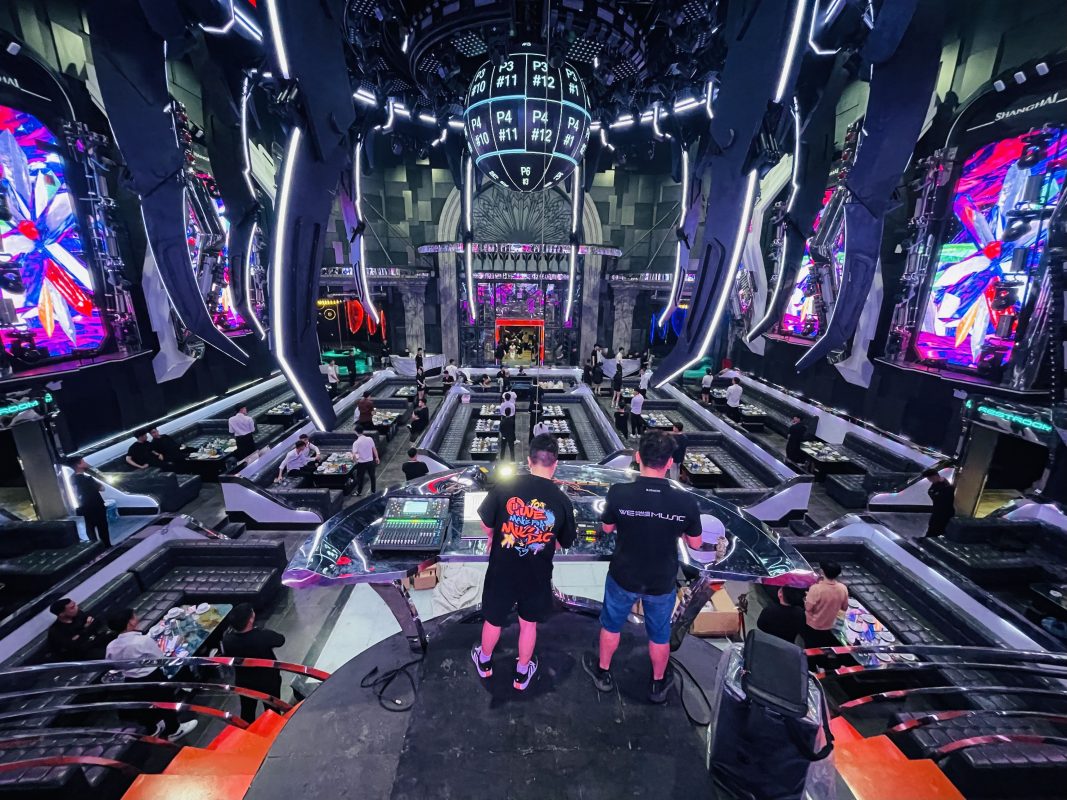
Shanghai Beer Club sound system in Da Nang

We measured the system at the bar, on the main floor, in the VIP area, and at the front and rear of the venue. We also assessed:

  • Bass reproduction suited to Vinahouse.
  • Smooth vocals and melodies without harshness.
  • Listening comfort over time.

The network-controlled amplifiers with integrated DSP are connected through network switches. This allows the technical team to:
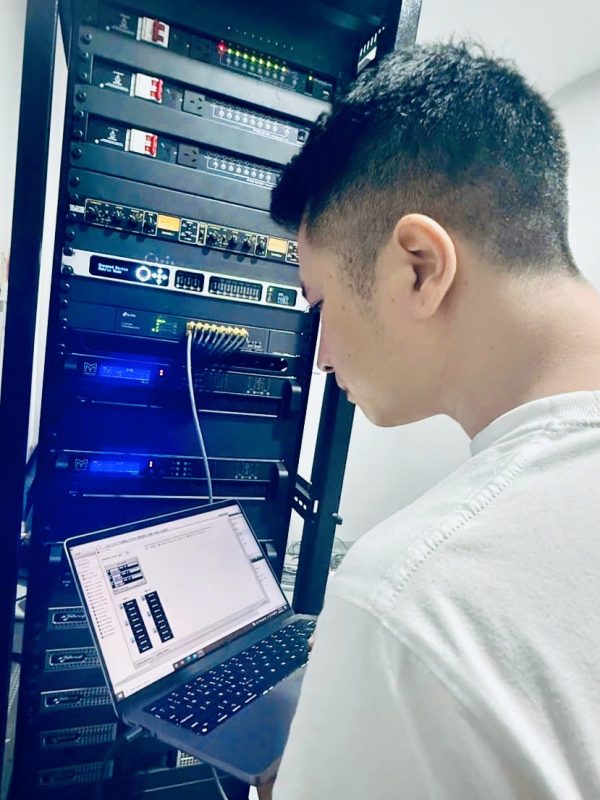
  • Monitor equipment status.
  • Make prompt adjustments without going to the equipment room.

Audio installation at Shanghai Beer Club

This reflects the system design approach we aim for: high sound quality, straightforward operation, and long-term cost efficiency for the owner.

CREATING A NIGHTLIFE DESTINATION TOGETHER

Throughout the Shanghai Beer Club project, we worked with Yên Cồng Kềnh’s experienced interior, lighting, and décor team.

We coordinated installation plans to preserve the overall design, maintain structural safety, keep the lighting unobstructed, and protect sound quality.

The installation teams and contractors worked with mutual respect, professionalism, and accountability.

The project became a milestone for us: an impressive club shaped by the focus and dedication of the audio, lighting, and interior teams.
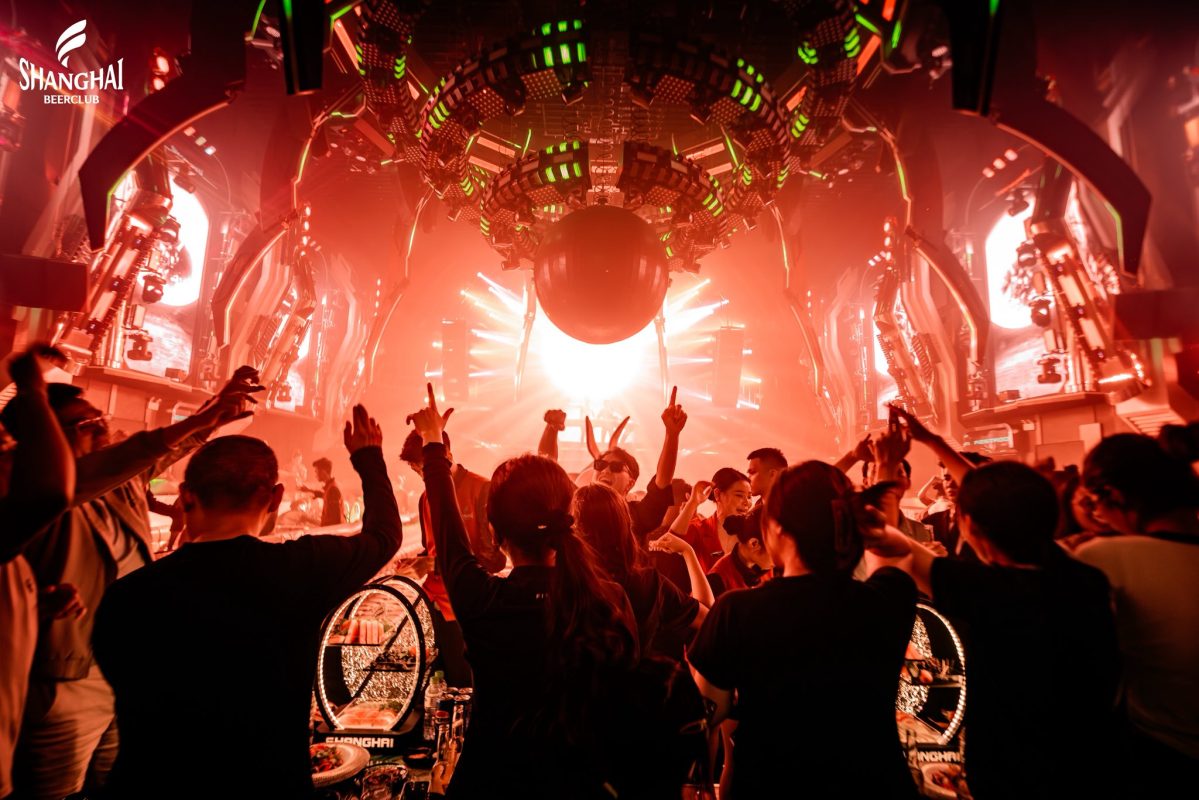
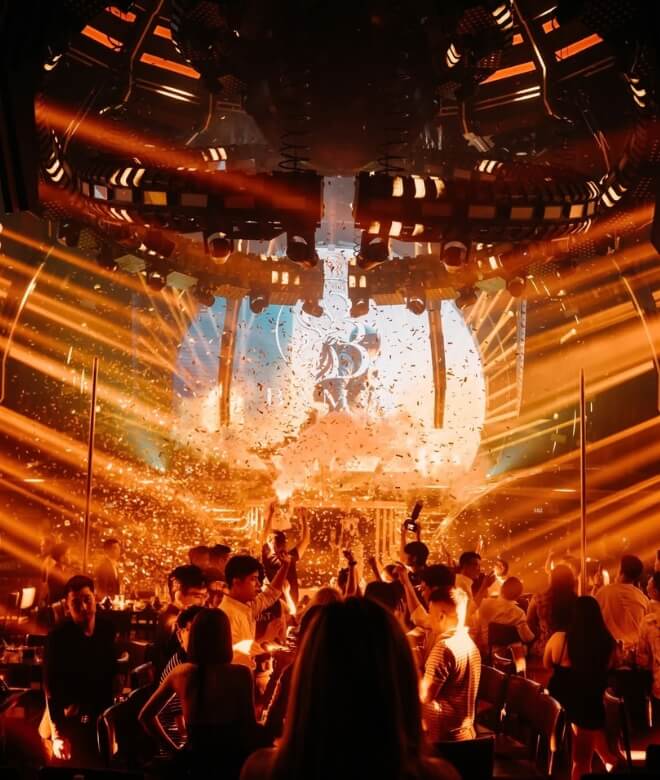
Shanghai Beer Club in Da Nang

Shanghai Beer Club in Da Nang demonstrates what a carefully designed system can achieve.

When sound is designed with care and respect for the space and the owner’s musical vision, every night can reflect the commitment invested in the project.

With more than 10 years of experience in nightlife audio and an understanding of Vietnam’s different club formats, B-Star is a trusted partner for ambitious, complex projects. If you are planning an entertainment venue like Shanghai Beer Club in Da Nang, we are ready to work closely with you from the first discussions.